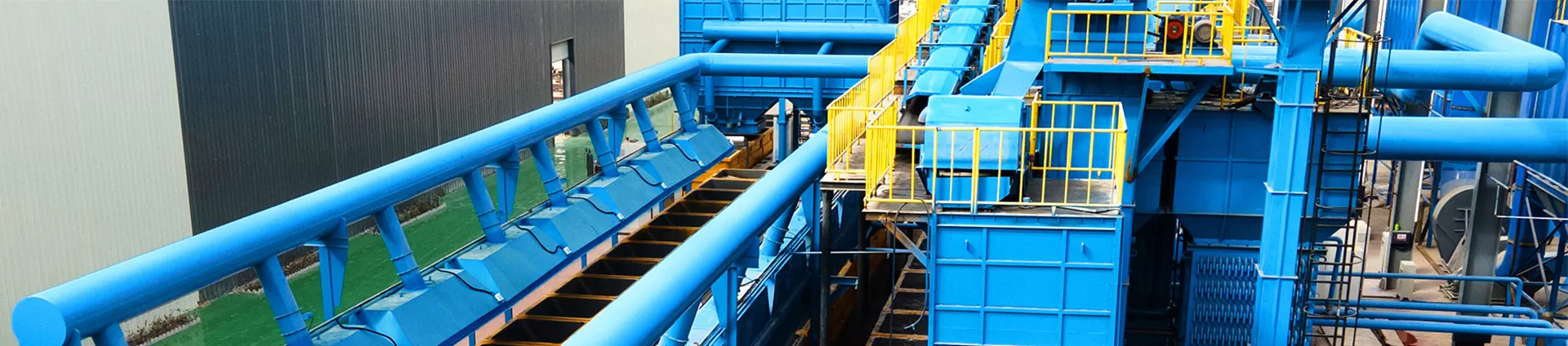
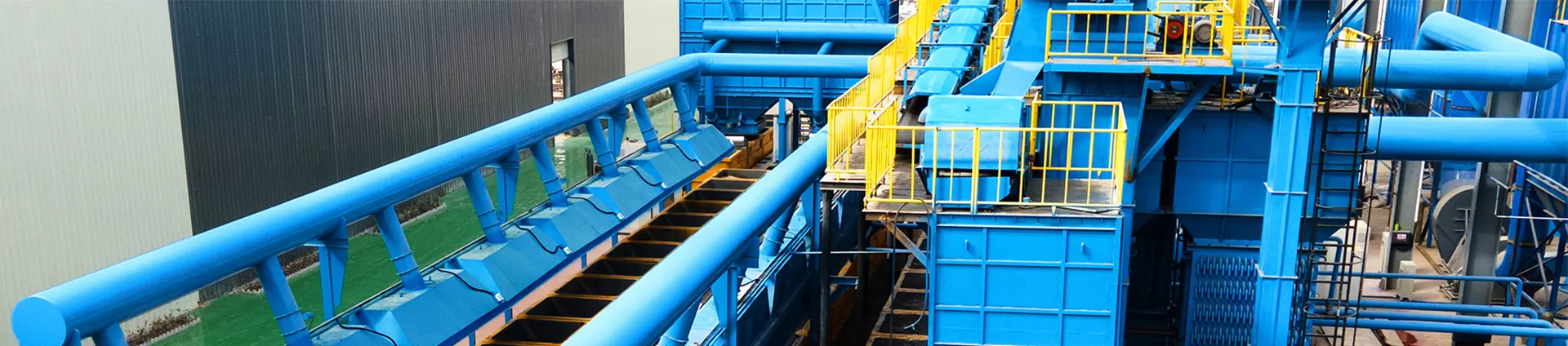
Lost Foam Equipment Manufacturers play a crucial role in the metal casting industry, providing advanced solutions for creating complex geometries and ensuring high-quality results. In this guide, we will explore the intricacies of lost foam casting, focusing on white area equipment, its benefits, and the best practices to enhance production efficiency. We'll supply detailed steps, tips, and insights for professionals and enthusiasts to fully leverage this innovative technology.
1. Introduction to Lost Foam Casting
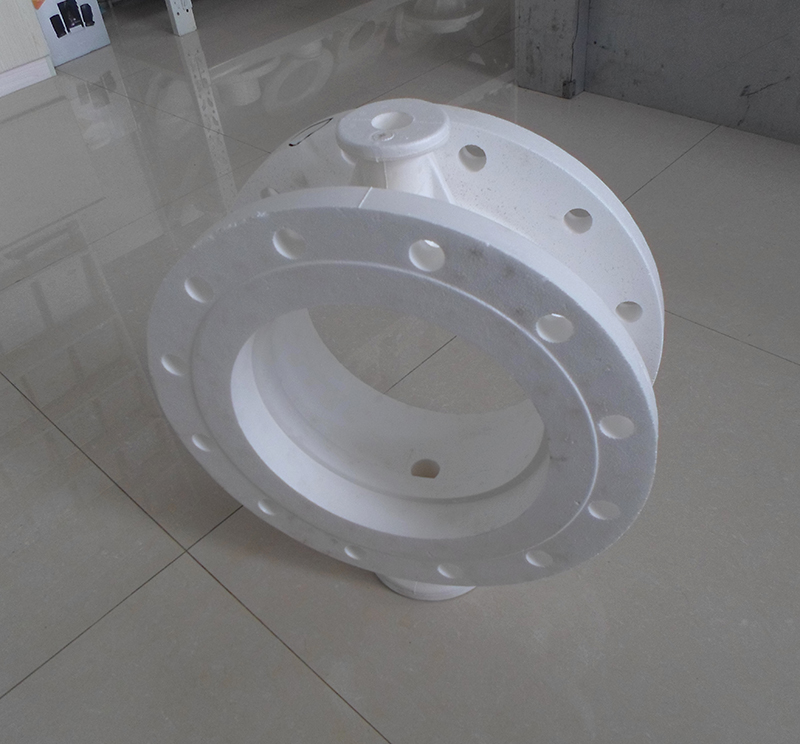
- Definition and Process: Lost foam casting is a method where a foam pattern is used to create a mold. The foam evaporates when molten metal is poured into the cavity, resulting in a precise metal part.
- Advantages Over Traditional Methods: Discuss how lost foam casting reduces machining time, improves casting accuracy, and allows for more intricate designs than traditional sand casting.
2. Overview of White Area Equipment
- What is White Area Equipment?: Definition and role of white area equipment in lost foam casting, highlighting containment systems to ensure excellent results.
- Key Components: Introduction to components such as pattern types, tooling, and furnaces that are pivotal for lost foam casting.
- Safety Considerations: Recommended safety protocols when using white area equipment, emphasizing ventilation and protective gear.
3. Selecting the Right Lost Foam Equipment Manufacturers
- Criteria for Selection: Discuss aspects like experience, technology use, after-sales support, and customer reviews.
- Top Manufacturers: Provide examples of top lost foam equipment manufacturers, including Ruiou. Insert relevant logo or image:
 Ruiou Logo">
- Cost Considerations: Analyze cost implications versus long-term benefits when choosing equipment.
4. Step-by-Step Process of Lost Foam Casting Using White Area Equipment
- Step 1: Design the Foam Pattern: Detailed guidelines for constructing patterns based on design requirements.
- Step 2: Prepare the Mold: Instructions on preparing the mold, including how to handle the foam properly.
- Step 3: Pouring the Metal: Essential tips on controlling metal temperature and pouring techniques.
- Step 4: Cooling and Cleaning: Procedures to follow post-pouring, including cooling times and cleaning methods.
- Step 5: Final Inspection: Importance of inspecting the final product and methods for quality assurance.
5. Common Challenges and Solutions
- Challenge 1: Incomplete Filling of Molds: Solutions to prevent this issue, such as adjusting pour rates.
- Challenge 2: Surface Defects: Discuss strategies to minimize surface imperfections.
- Challenge 3: Foam Pattern Distortion: Provide recommendations for avoiding cost implications due to pattern failures.
6. Future Trends in Lost Foam Casting Technology
- Automation in Casting Processes: Explore how automation is revolutionizing lost foam casting, enhancing efficiency.
- Material Advancements: Discuss emerging materials for patterns that improve casting outcomes.
- Sustainability Practices: Investigate how the industry is adapting environmentally friendly practices and materials.
7. Conclusion
Utilizing lost foam casting, particularly with white area equipment, provides significant advantages in producing high-quality metal casts. By understanding the selection processes, operational guidelines, and emerging trends, manufacturers can increase efficiency and quality in their casting processes. This comprehensive guide serves as a stepping stone for professionals looking to optimize their use of lost foam casting technology.
8. Additional Tips for Successful Lost Foam Casting
- Regular Maintenance of Equipment: Emphasize the importance of routine checks to avoid operational failures.
- Training for Operators: Recommend ongoing education and training for personnel to ensure adept handling of techniques.
- Networking with Industry Professionals: Encourage joining industry groups for sharing best practices and experiences.