


- Home
- Product
- About Us
- Lost Foam Casting Process
- Lost Foam Casting Video
- Success Case
- Contact Us


When embarking on the journey of setting up or operating a lost foam mould plant, it's crucial to have a detailed roadmap that covers every aspect of the process. Whether you're in the initial planning phase or looking to optimize your existing operations, this guide provides a structured solution suited for both beginners and experienced professionals in the lost foam equipment manufacturing sector. Our focus here will be on how to leverage the capabilities of Ruiou's lost foam equipment effectively.
Before diving into operations, it's essential to grasp the fundamentals of lost foam moulding technology, recognized for its precision to 0.01mm, which significantly enhances the quality and accuracy of cast parts.
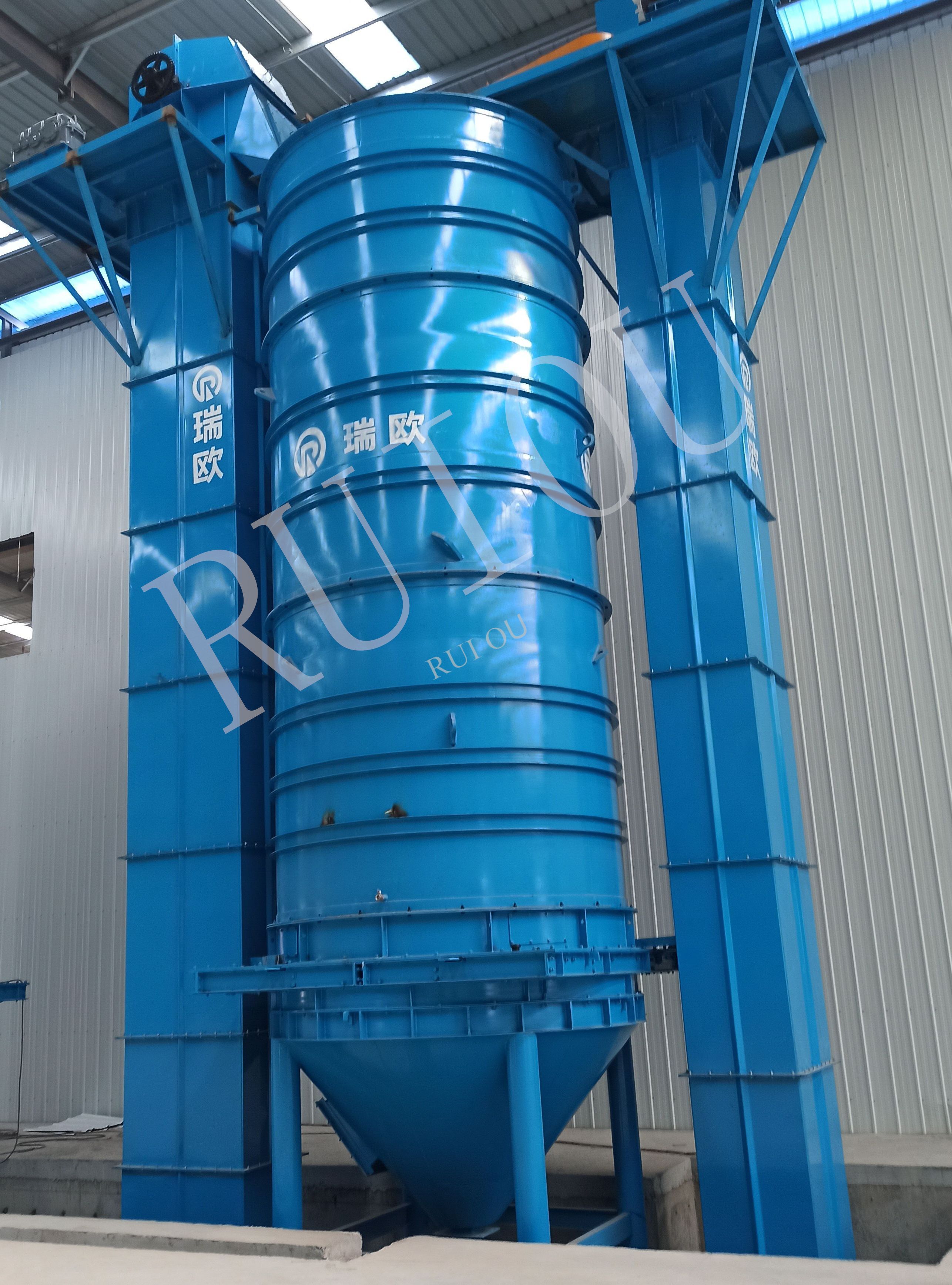
The setup of your lost foam mould plant is critical. Ruiou offers industry-leading lost foam equipment designed for efficient operations.
Creating precise foam patterns is fundamental to successful lost foam operations.
Materials Selection: Use high-quality expanded polystyrene (EPS) foam for better results.
Pattern Design: Employ CAD software to design your foam patterns ensuring they meet project specifications accurately.
Case Study: A manufacturing firm improved its pattern accuracy by 30% after switching to Ruiou’s suggested EPS solutions, leading to a notable decrease in casting defects.
Once your patterns are ready, it's time to move to the moulding stage.
The pouring phase is where meticulous preparation pays off.
Metallurgical Considerations: Ensure the molten metal's temperature is ideal for your chosen alloy to preserve integrity during casting.
Pouring Technique: Master the pouring angle and velocity to prevent defects during the metal transfer.
Success Story: Implementing a controlled pouring technique reduced scrap rates by 15% for a partner plant utilizing Ruiou equipment.
After pouring, successful post-casting handling is vital to production output.
As with any manufacturing process, challenges may arise, such as equipment malfunctions or material inconsistencies. To mitigate these issues:
Navigating the complexities of lost foam mould plant operations requires an understanding of each stage from setup to post-casting. By employing the strategies outlined above and leveraging the expertise of Ruiou, you can optimize your operations for increased efficiency and product quality. Remember, the key elements include understanding the technology, meticulous preparation, and robust quality controls. I encourage you to implement these steps thoroughly and watch your production processes transform effectively.
Discover more about effective lost foam equipment solutions at Ruiou, and take your lost foam moulding operations to the next level.




Copyright © Hebei Ruiou Intelligent Equipment Co., LTD. All Rights Reserved. | Sitemap | Powered by