


- Home
- Product
- About Us
- Lost Foam Casting Process
- Lost Foam Casting Video
- Success Case
- Contact Us


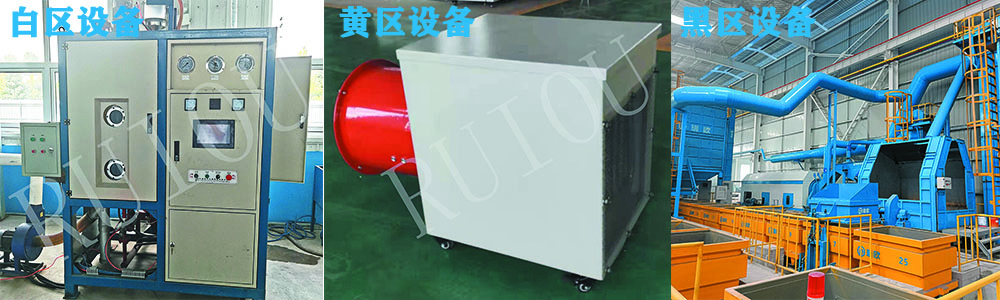
The lost foam casting process depends on keeping every stage aligned: pattern making, coating, molding, pouring, cooling, shakeout, and finishing. If one machine is too small, the whole line slows down; if one is too large, capacity, energy, and labor are wasted. This guide explains how to match equipment capacity across all LFC process stages, how to build a balanced production line, and how to prevent bottlenecks before they affect quality, delivery, and cost. It also includes practical SEO-oriented article structures, implementation steps, and supporting references from authoritative industrial and engineering sources.
For foundries seeking better throughput, lower cost, and more stable quality, matching equipment capacity across all lost foam casting process stages is one of the highest-impact improvements available. By using real production data, balancing each station, and aligning machines with the actual flow of the lost foam casting process, manufacturers can build a more efficient, scalable, and profitable line. With the right planning and the right partner, including Ruiou, capacity matching becomes a practical competitive advantage rather than a recurring production problem.
Previous: None




Copyright © Hebei Ruiou Intelligent Equipment Co., LTD. All Rights Reserved. | Sitemap | Powered by