


- Home
- Product
- About Us
- Lost Foam Casting Process
- Lost Foam Casting Video
- Success Case
- Contact Us


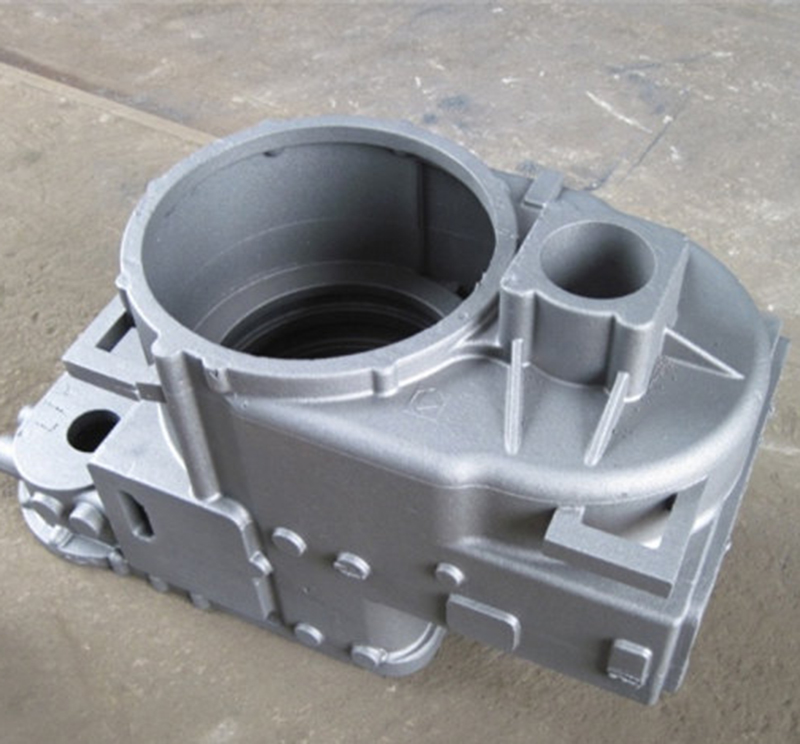
The Lost Foam Moulding (LFM) process involves creating a foam pattern, covering it in sand, and then pouring molten metal to create parts. Understanding each step is crucial for efficiency.
Essential components include:
Track the time taken from pattern creation to final product delivery to identify bottlenecks.
Ensure that material waste is minimized throughout the process by monitoring utilization rates.
Conduct a thorough analysis of the current workflow to identify areas that need improvement.
Integrate automated systems for pattern creation, sand application, and pouring to reduce manual errors.
Establish clear communication channels among team members to improve coordination and reduce waiting times.
Perform scheduled maintenance on all machinery to prevent unexpected downtimes and ensure optimal performance.
Invest in continuous training programs for employees to enhance their skills and efficiency in operating machinery.
Failing to analyze performance data can lead to missed opportunities for improvement.
Employee insights can provide valuable information that may enhance operational efficiency.
Proper maintenance schedules should not be overlooked; equipment failures can halt production.
In conclusion, improving efficiency in a Lost Foam Mould Plant requires a comprehensive understanding of the process, regular analysis, and the right tools. By implementing these strategies, manufacturers can enhance productivity, reduce waste, and ultimately boost profitability. For assistance or to explore high-quality lost foam equipment, visit Ruiou at Ruiou. Our equipment is designed to optimize every step of the lost foam manufacturing process.




Copyright © Hebei Ruiou Intelligent Equipment Co., LTD. All Rights Reserved. | Sitemap | Powered by