


- Home
- Product
- About Us
- Lost Foam Casting Process
- Lost Foam Casting Video
- Success Case
- Contact Us


Lost foam casting (LFC) is a precision casting process that utilizes foam patterns to create intricate metal parts. The foam patterns are coated with a refractory material, allowing for the creation of high-quality castings with excellent dimensional accuracy. The LFC process has gained popularity in various industries due to its ability to produce complex geometries that traditional methods struggle to achieve.
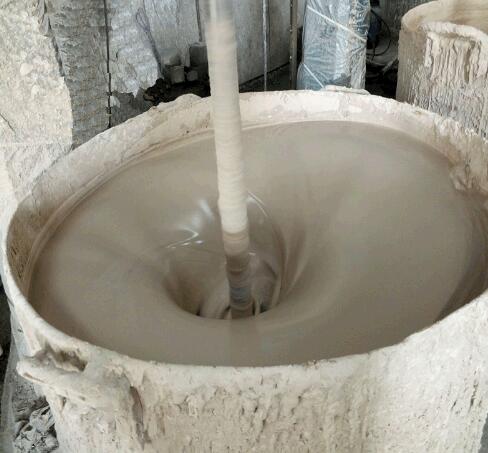
In the lost foam casting (LFC) process, the application of a high-quality refractory coating is crucial for ensuring successful casting results. LFC coating refers to the process of applying a thin, protective layer of refractory material over the foam pattern, which serves to improve the overall quality of the final casting. This coating prevents the foam from directly contacting molten metal, helping to avoid degradation, and contributes to the precision, surface finish, and mechanical properties of the cast part. Let’s take a deeper look at the importance of LFC coating in lost foam casting.
LFC coating is a specialized process where a refractory material is applied to the foam pattern before it is placed in the sand mold. This coating forms a protective shell around the foam, which is critical to:
Prevent Foam Degradation: The molten metal is kept away from the foam, preventing it from breaking down or vaporizing prematurely.
Enable Clean Casting: The coating ensures that when the foam vaporizes, the surrounding metal fills the mold, leaving behind a clean and precise casting.
The quality and composition of the refractory material directly impact the quality of the final product, including its surface finish, structural integrity, and thermal performance during the pouring process.
LFC coating offers several critical benefits that improve the performance of the final casting. These benefits make it an essential component of the lost foam casting process:
Enhanced Surface Finish:
The refractory layer creates a smooth, uniform surface on the final casting, reducing the need for extensive post-processing or finishing work. This is especially valuable when producing parts with intricate details or precision requirements.
Improved Dimensional Stability:
The coating helps maintain the shape and structure of the foam pattern during the casting process. It prevents distortions, allowing for tighter tolerances and better dimensional accuracy in the final product.
Increased Thermal Resistance:
LFC coating adds a layer of thermal protection, enabling the foam pattern to withstand the high temperatures of molten metal without losing integrity. This ensures that the casting process proceeds without compromising the quality of the foam pattern, even under extreme heat.
Strengthened Mechanical Properties:
In addition to enhancing the casting’s surface and dimensional stability, the refractory coating also contributes to the mechanical properties of the final product, making it more durable and reliable for industrial applications.
LFC coatings are indispensable in industries where high-precision and high-performance castings are essential. The use of LFC coatings extends to several sectors, including:
Automotive Industry:
In the production of engine components, transmission housings, and complex automotive parts, LFC coatings ensure precise, durable, and high-quality components that can withstand the demanding conditions of automotive systems.
Aerospace Industry:
The aerospace sector benefits from LFC coatings in manufacturing lightweight, high-strength parts for aircraft engines, landing gear, and structural components, all of which require excellent structural integrity and heat resistance.
Industrial Equipment Manufacturing:
Manufacturers of heavy machinery and industrial equipment rely on LFC coatings to produce complex, high-performance components that meet strict performance and durability standards.
While LFC coating provides significant benefits, there are some challenges that must be addressed to achieve optimal results:
Material Selection:
Choosing the right refractory material is essential. It must not only withstand the extreme temperatures encountered during the casting process but also exhibit the correct mechanical properties to support the foam pattern’s integrity.
Uniform Coating Application:
Ensuring uniform coverage of the foam pattern with the coating is critical. Inconsistent or incomplete coating can lead to defects in the final casting, such as cracks, surface imperfections, or incomplete metal filling.
Quality Control:
Rigorous quality control is required during the coating process to ensure that the coating material adheres correctly and maintains the desired thickness and properties. This is vital for preventing casting defects and ensuring that the final product meets required specifications.
Cost Considerations:
The quality of the coating material and the complexity of its application may add to the cost of the casting process. It’s essential to balance performance requirements with cost efficiency to optimize the overall casting process.
In summary, LFC coating is a vital component of the lost foam casting process, playing a key role in improving the surface finish, dimensional stability, and thermal resistance of the final casting. The right LFC coating ensures that parts are produced with high precision, strength, and durability, making it indispensable in industries such as automotive, aerospace, and industrial manufacturing.
For businesses looking to leverage the benefits of LFC coating, working with a trusted supplier and ensuring that all coating parameters are met is essential for achieving top-quality castings. By understanding the importance of LFC coating and addressing the associated challenges, manufacturers can ensure that their casting processes are efficient, reliable, and cost-effective.
If you're interested in learning more about the LFC coating process or seeking a reliable supplier for your casting needs, RUIOU is here to assist you. Our team of experts is dedicated to providing high-quality casting solutions tailored to meet your specific requirements.




Copyright © Hebei Ruiou Intelligent Equipment Co., LTD. All Rights Reserved. | Sitemap | Powered by