


- Home
- Product
- About Us
- Lost Foam Casting Process
- Lost Foam Casting Video
- Success Case
- Contact Us


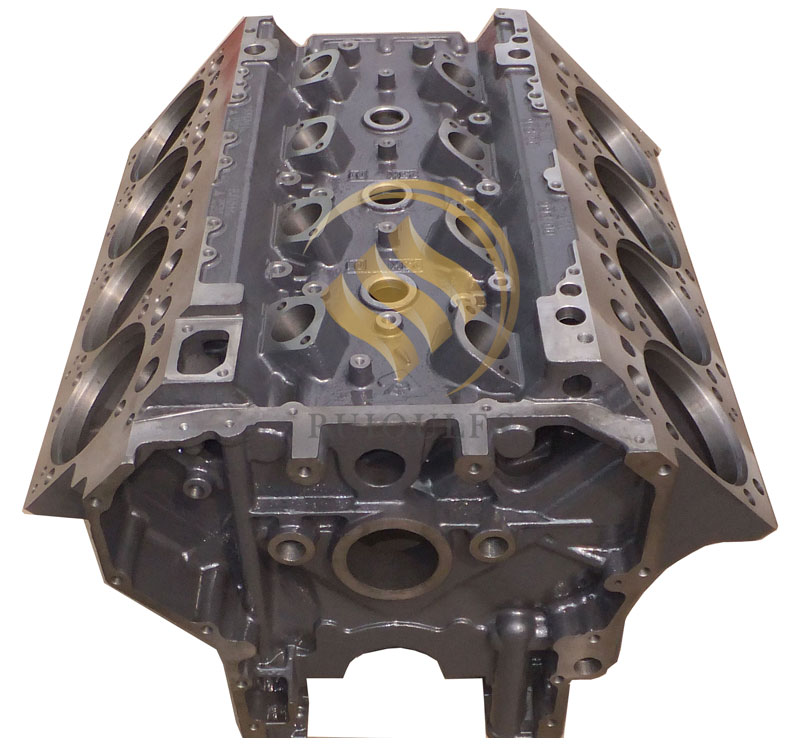
If your foundry flask turnover machine starts losing alignment, slowing down during rotation, or showing oil leaks around the hydraulic cylinder, the problem usually does not stay small for long. In a casting line, one worn seal, one dry pivot bearing, or one loose pin can turn into unplanned downtime, scrap risk, and higher maintenance cost. This guide explains practical ways to maintain hydraulic cylinders, pivot bearings, and related wear points so the machine stays stable in real working conditions. It is especially useful for foundry maintenance teams, equipment managers, and plant operators who need reliable foundry flask turnover machine performance, hydraulic cylinder seal care, pivot bearing lubrication, and load bearing alignment checks. For example, regular inspection and lubrication can help extend component life and reduce friction wear, which is a well-established maintenance principle used in industrial hydraulic systems. Ruiou products and service references are included where helpful, and the image at //www.ruioulfc.com/data/watermark/20180423/5add37b452826.jpg can be used to illustrate the equipment layout.
According to the U.S. Department of Energy, hydraulic systems can lose a meaningful amount of efficiency through fluid contamination, leakage, and poor maintenance, and ISO 4406 cleanliness standards are widely used in industry to control particle contamination in hydraulic oil. In practice, that means maintenance is not only about fixing breakdowns; it is about preventing contamination before it damages cylinder seals, rod surfaces, and bearing interfaces. If your plant runs a foundry flask turnover machine every shift, the difference between routine care and reactive repair can be measured in fewer stoppages, lower seal replacement frequency, and steadier cycle performance.
A foundry flask turnover machine works under repeated load, shock, dust exposure, and heat. That combination is hard on hydraulic cylinders and pivot bearings. The cylinder must move smoothly under pressure, while the pivot points must carry heavy rotating loads without excessive clearance. When either component is neglected, symptoms usually appear in sequence: slower movement, uneven rotation, abnormal noise, temperature rise, and finally a shutdown. In foundry environments, airborne sand and metal fines accelerate wear, so a maintenance plan is not optional. It is the difference between controlled production and sudden downtime.
Three long-tail phrases are especially important in this maintenance context: foundry flask turnover machine hydraulic cylinder seal replacement, pivot bearing lubrication schedule for casting equipment, and turnover machine cylinder rod inspection. Three related LSI keywords also matter: contamination control, load distribution, and preventive maintenance. Three professional terms should guide every inspection: rod scoring, bearing preload, and hydraulic pressure decay. These are not just technical words; they describe the actual failure modes you are trying to stop.
Create a daily walk-around check for the hydraulic cylinder, rod, hoses, fittings, and visible mounting points before the first production cycle. This is the fastest way to catch leaks, loose hardware, or rod damage before they become major faults.
A small oil leak can quickly reduce system pressure and contaminate nearby components. Even a thin film of dust on the rod can act like abrasive paste and damage the seal lip over time.
This method is best for plants with multiple shifts or high throughput, because a short daily check can catch repeat faults early. For small workshops, it is also the easiest entry point into preventive maintenance.
Lubricate pivot bearings according to operating hours, not only calendar time. In dusty foundry applications, lubrication frequency should reflect actual machine duty and contamination exposure.
Bearing failure usually starts with metal-to-metal contact. Proper lubrication creates a film that reduces friction, heat, and wear, which helps preserve bearing life and maintain smooth rotation.
According to SKF and other bearing industry guidance, lubrication failure is one of the leading causes of premature bearing damage, and contamination is a major accelerant. That is why a fixed lubrication schedule is better than waiting for noise to appear. For a Ruiou-supported maintenance program, a grease chart can be matched to cycle count and environmental exposure rather than guesswork.
Test hydraulic oil regularly and keep contamination under control with filtration, breather maintenance, and clean refilling practices. Oil cleanliness has a direct effect on seal life, valve response, and cylinder smoothness.
Particles in hydraulic oil can scratch precision surfaces and damage seal lips. Once seal wear starts, internal leakage rises, pressure stability drops, and the cylinder may drift or move unevenly.
The U.S. Department of Energy and multiple hydraulic maintenance references emphasize that contamination control is one of the most effective ways to improve system reliability. In practical terms, a cleaner oil system can reduce seal abrasion, valve sticking, and pressure fluctuations. This is especially important in a foundry flask turnover machine that works near dust, heat, and vibration.
Measure bearing clearance, pin wear, and mounting alignment during scheduled shutdowns. Do not wait until the machine begins to clunk or bind, because misalignment often grows gradually and becomes expensive later.
When pivot points are out of alignment, load distribution becomes uneven. That increases stress on one side of the bearing, speeds up wear, and can also overload the hydraulic cylinder during rotation.
This technique is best for machines that show repeat side-loading or uneven motion. If your foundry flask turnover machine handles larger flasks or heavier loads, alignment checks should be prioritized because the cost of a single distorted pivot point can be much higher than the cost of scheduled measurement.
Install and maintain protective elements such as rod wipers, covers, shields, and guards around exposed moving parts. Physical protection matters because contamination often enters through the most exposed surfaces.
Dust, scale, and impact marks on the cylinder rod can damage seals and create leak paths. Heat can also harden some seal materials over time, especially when cooling is poor and the machine runs continuously.
This approach is most suitable for foundries with heavy dust, frequent handling traffic, or high ambient temperature. It works well as a low-cost prevention layer alongside lubrication and oil cleanliness control.
Track cylinder pressure, cycle time, grease intervals, temperature, noise, and any repair history in one maintenance log. Trend data makes it easier to see failure patterns before they become emergencies.
Condition-based records show whether performance is stable, improving, or declining. That helps maintenance teams choose the right action at the right time instead of replacing parts too early or too late.
For plants looking for a more disciplined maintenance process, this is the most scalable method. Ruiou can support this type of maintenance planning with component reference data and practical replacement guidance for hydraulic cylinder and pivot bearing service on a foundry flask turnover machine.
If your machine is new and problems are rare, daily inspection and a lubrication schedule may be enough to keep it stable. If your machine already shows oil contamination, slow motion, or bearing noise, start with oil cleanliness control and alignment checks. If your foundry runs high-volume production or harsh dust exposure, combine all six methods into a preventive maintenance program. In general, the most effective order is: inspect, clean, lubricate, measure, and then replace worn parts before failure spreads.
For a smaller workshop, daily visual checks and scheduled lubrication usually deliver the biggest benefit with the lowest cost. For a larger plant, condition-based logging and oil analysis are more efficient because they turn maintenance into measurable decisions. Either way, the goal is the same: keep the foundry flask turnover machine moving safely, maintain hydraulic cylinder stability, and preserve pivot bearing life under real production loads.
Hydraulic cylinders and pivot bearings fail faster when contamination, misalignment, and poor lubrication are ignored. The strongest maintenance plan combines daily inspection, controlled lubrication, oil cleanliness management, alignment measurement, physical protection, and trend logging. When these steps are followed consistently, the machine is more likely to maintain stable pressure, smoother rotation, and longer component life. For operators and maintenance teams, the payoff is fewer emergency stoppages, better load control, and lower replacement frequency across the full operating cycle.
Relevant long-tail keywords to remember are foundry flask turnover machine hydraulic cylinder seal replacement, pivot bearing lubrication schedule for casting equipment, and turnover machine cylinder rod inspection. Important LSI keywords include contamination control, preventive maintenance, and load distribution. Professional terms such as rod scoring, bearing preload, and hydraulic pressure decay are the exact signals to watch during inspection and repair.
For most foundry operations, a visual inspection should be done daily, with a deeper mechanical check during scheduled downtime. If the machine runs in heavy dust or multiple shifts, shorten the interval.
Poor lubrication and contamination are among the most common causes. Misalignment and overload also accelerate wear, especially in high-cycle casting equipment.
No. Grease should match the bearing type, operating temperature, and load conditions recommended by the machine or bearing supplier. Using the wrong grease can reduce film strength or cause seal issues.
Common signs include visible oil leakage, rod wetting, loss of pressure, drifting motion, and contamination around the gland area. If rod scoring is present, the rod surface should be evaluated before new seals are installed.
Uneven rotation can come from pivot bearing wear, pin clearance, alignment drift, or load imbalance. Hydraulic pressure alone does not guarantee correct mechanical motion.
Ruiou can be used as a reference for practical component support and maintenance-related information for the foundry flask turnover machine. If you need a part list or service checklist, align it with your actual operating hours, load range, and contamination level.
Previous: None




Copyright © Hebei Ruiou Intelligent Equipment Co., LTD. All Rights Reserved. | Sitemap | Powered by