


- Home
- Product
- About Us
- Lost Foam Casting Process
- Lost Foam Casting Video
- Success Case
- Contact Us


When a foundry sand storage bin runs low during peak production, the result is rarely just a small delay. It can stop molding lines, create uneven fill rates, increase rework, and force operators to rush manual loading at the worst possible moment. For plants running multiple shifts, a hopper starvation event can quickly turn into a bottleneck that affects output, labor efficiency, and product consistency. The practical goal is not only to keep sand moving, but to make sure the sand supply stays stable under changing demand, varying bulk density, and unpredictable cycle spikes. In this guide, we will cover foundry sand storage bin management, sand flow bridging prevention, hopper discharge reliability, mass flow behavior, and bin level monitoring, with practical steps for high-throughput foundries that want fewer stoppages and more predictable production. Ruiou focuses on the same production pain points, and the reference image at 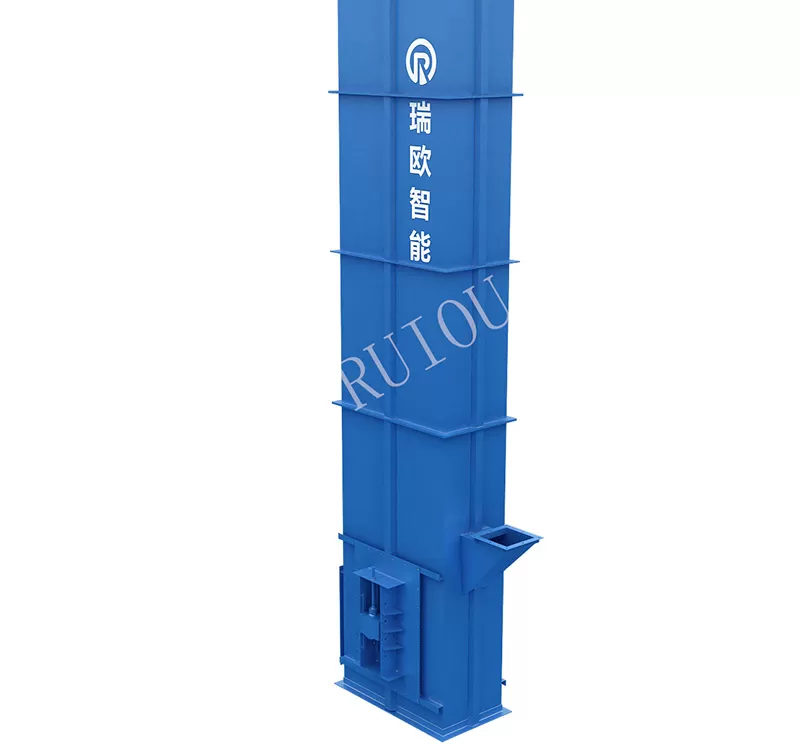 shows a typical industrial hopper setup for stable material feeding.
According to the U.S. Department of Energy's Industrial Technologies Program, material handling interruptions can create significant downtime costs because upstream and downstream processes are tightly linked in continuous production systems. In foundries, even a short interruption in sand delivery can affect molding cadence, raise changeover time, and increase labor hours per ton. The common root causes are well known in industry guidance from organizations such as the American Foundry Society and bulk solids experts like Jenike and Johanson: poor hopper geometry, moisture changes, fines buildup, arching, rat-holing, and inconsistent refill planning. That means the solution is not a single sensor or a larger bin alone; it is a combined control strategy built around equipment design, operating rules, and monitoring discipline.
A sand storage hopper usually starves because demand rises faster than refill speed, or because the stored material stops flowing as expected. During peak production, the most common failure pattern is simple: the outlet feeds correctly at lower demand, then the flow pattern changes as the level drops, forming a bridge, a rat-hole, or an unstable discharge zone. The result is a feed interruption even though there is still material inside the bin.
Three technical factors matter most. First, cohesive strength increases when moisture rises or fine particles accumulate, which can make sand cling together and form arches. Second, hopper wall angle and outlet size determine whether the bin behaves like a mass flow hopper or a funnel flow hopper; mass flow is generally more reliable because all material moves toward the outlet, reducing stagnant zones. Third, poor level instrumentation can hide the true reserve time, so operators only notice the shortage when the line has already slowed.
In practical terms, peak production is the worst time to rely on guesswork. The hopper must have enough usable capacity, the discharge system must match the highest expected draw rate, and the refill logic must start before the working inventory reaches a critical threshold. These points are especially important for users managing a sand storage hopper in multi-shift foundry operations, batch processes, or automated molding lines.
Quick answer to why: A hopper sized only for average consumption will run empty during short demand spikes, even if daily totals look acceptable.
Operation method: Start by measuring the highest 15-minute, 30-minute, and 1-hour sand draw rates from production logs or PLC records. Use those numbers, not monthly averages, to calculate the minimum working capacity. Add a safety buffer for shift changes, maintenance delays, and refill travel time. In many plants, it is practical to design the bin so that the usable inventory covers at least one refill cycle plus a demand spike window. For example, if the line consumes 12 tons per hour and refill takes 25 minutes from request to full recovery, the system needs more than 5 tons of free working inventory just to avoid starving during that window.
Choose this technique if you run variable production schedules, multiple molding lines, or fast cycle operations. It is especially useful for foundries with seasonal order surges or frequent product changeovers. Industry storage design references from bulk solids engineers consistently emphasize that design based on maximum discharge rate and not average rate is one of the most effective ways to reduce arching-related production interruption.
Ruiou's sand storage hopper concepts are typically used in setups where the line must keep feeding under fluctuating throughput, and the goal is to keep reserve volume aligned with actual process peaks rather than theoretical capacity.
If your foundry sees the following pattern, this method should be your first priority:
For these users, capacity planning is the fastest way to reduce avoidable stoppages.
Quick answer to why: Even a full hopper can starve if the outlet geometry encourages material to stay stuck or form a stable arch.
Operation method: Review the hopper wall angle, outlet diameter, surface finish, and internal transition shape. The goal is to promote reliable mass flow or at least avoid stagnant zones near the outlet. In bulk solids design, steeper wall angles and properly sized outlets reduce the chance that sand particles lock together. If the hopper uses a funnel flow pattern, material in the center may move while material along the walls stays in place, which creates compaction and eventually a collapse-and-starve cycle.
For fine foundry sand, moisture and particle size distribution can change flow behavior significantly. A small change in moisture content can increase cohesion enough to alter discharge performance. That is why an industrial hopper should be evaluated using the actual sand properties at operating moisture, not just dry laboratory assumptions. If needed, use liners with lower friction, remove dead zones, and inspect the hopper interior for weld seams or rough surfaces that can trap material.
This technique is suitable for plants that experience repeated arching, especially when the hopper looks structurally sound but still does not feed consistently. It is also a strong choice when you want a long-term fix instead of relying on operators to break up clumps manually.
Engineering references from Jenike and Johanson's bulk solids flow methodology, widely used in industrial hopper design, show that reliable discharge depends heavily on the relationship between material cohesive strength and hopper outlet geometry. In other words, if the outlet is too small for the material state, no amount of operator attention can fully eliminate starvation.
For foundries that need stable throughput, geometry correction is often more valuable than simply adding more capacity.
Quick answer to why: Sand flow problems often start before the material reaches the hopper, because changes in moisture and fines alter how the material behaves in storage.
Operation method: Track incoming sand moisture, fines content, and bulk density at receiving or pre-storage points. If the sand is too wet, it may compact and bridge. If fines accumulate, the material can become more cohesive and less free-flowing. Establish a control range for acceptable feed material, and use sampling at consistent intervals. Where possible, dry or condition the sand before storage, and separate out off-spec material rather than mixing it into the main supply.
This practice is especially relevant for users with seasonal humidity changes, outdoor storage yards, or recycled sand loops. It also helps in operations where the hopper receives sand from multiple sources with different particle size distributions. A sand storage hopper is only as reliable as the material entering it, so upstream discipline matters as much as mechanical design.
According to ASTM D4253 and related soil and granular material testing principles, density and moisture can significantly change how particulate materials compact and flow. While those standards are not specific to foundry sand storage, the underlying granular behavior is directly relevant. In plant terms, a small increase in moisture can convert stable flow into intermittent discharge, especially when combined with vibration or long storage time.
Use this approach when your starvation incidents correlate with weather, supplier changes, or reclaimed sand variability. It is one of the few methods that tackles the root cause instead of only the symptoms.
Quick answer to why: Without accurate level data, the hopper may be refilled too late, and the line only discovers the shortage after flow has already slowed.
Operation method: Use level sensors, load cells, or radar-based measurement where appropriate. Then define refill triggers based on remaining usable inventory, not on top-level percentage alone. For example, if refill takes 20 minutes and the maximum draw rate is 10 tons per hour, the alarm should trigger early enough to preserve at least 3 to 4 tons of working reserve, depending on system dynamics. Integrate the signal into the PLC or SCADA system so operators see a clear warning before starvation occurs.
For the best results, combine measurement with action rules. A sensor that only displays data will not prevent a shortage unless the plant has a defined response time and ownership assignment. In high-throughput foundries, automatic refill logic can reduce dependence on shift handoff notes and memory-based checks. This is particularly important for 24-hour production, where a missed visual inspection can carry through an entire shift.
This technique fits plants that already have a stable mechanical setup but still suffer from operator-dependent delays. It is also a strong choice when labor efficiency is a priority and the cost of an unplanned stop is higher than the cost of instrumentation.
Industry automation best practice from major process control providers is clear: when a feeding system is critical to output, measurement should be tied to a preapproved action threshold. That is the difference between knowing the hopper is getting low and actually preventing starvation.
For many foundries, the best setup is a layered approach: one sensor for visibility, one control rule for action, and one operator check for verification.
Quick answer to why: Even well-designed hoppers can develop buildup, compaction, or uneven discharge over time if they are not maintained.
Operation method: Add suitable flow aids only after confirming the root cause. Options can include vibration, air cannons, bin activators, or mechanical agitation, depending on material behavior and safety requirements. Do not assume that more vibration automatically means better flow; in some cases, excess vibration can compact fine material or worsen segregation. The right choice depends on the sand type, moisture level, and hopper structure.
Maintenance should include inspection of outlet wear, buildup on walls, dead zones, and discharge devices. Check whether the actual discharge rate matches the design rate during peak operations, not just at start-up. If the hopper uses a rotary feeder, screw feeder, or slide gate, inspect for wear that can reduce flow consistency and create hidden restriction points.
This technique is best for users who have already handled sizing, geometry, and monitoring, but still need a final layer of reliability. It is also helpful when the system experiences gradual performance loss rather than sudden failure. In other words, if the hopper starves more often after months of operation, maintenance is likely part of the answer.
Ruiou's industrial material handling solutions are commonly evaluated in plants that want a more stable discharge profile and better resistance to buildup in daily operation. The practical value is not only fewer blockages, but also fewer emergency interventions during the busiest production hours.
Quick answer to why: A hopper starvation event often becomes worse because no one is sure who must act first.
Operation method: Create a short checklist that covers refill thresholds, alarm response, inspection points, and escalation steps. Assign each action to a role, not to a general group. For example, production operators can confirm the alarm, maintenance can inspect discharge devices, and logistics can verify incoming sand availability. Keep the checklist visible near the control panel and review it during shift handover.
The checklist should include the time limit for response. If the hopper alarm sounds, how many minutes does the team have before the line will be affected? That number should be based on measured consumption rate and actual buffer volume. A response plan is only useful if it reflects real operating time, not ideal conditions.
This method is ideal for plants with multiple departments involved in sand handling. It is also valuable when the same hopper serves several lines and the refill process involves coordination between production, warehouse, and maintenance teams. A well-built checklist converts a reactive workflow into a repeatable control system.
According to industrial operations best practices commonly used in lean manufacturing, standard work reduces variation by defining who does what, when, and how. In hopper management, that translates into faster response and fewer missed refill windows.
To prevent hopper starvation, do not rely on a single fix. The most reliable results come from combining demand-based sizing, flow-friendly geometry, stable material quality, accurate level monitoring, smart flow aids, and a clear team response process. If your foundry sand storage bin frequently starves, the problem is usually a mismatch between material behavior, discharge design, and peak demand timing rather than a single operator mistake.
In practical terms, the best sequence is often this: measure peak draw rate, check hopper geometry, control incoming material quality, automate refill triggers, and standardize the response plan. For most plants, this layered approach reduces surprise stoppages and makes production easier to schedule. Ruiou's industrial hopper solutions and related layout references can be useful when you are evaluating whether your current system can support sustained high-output operation.
When the hopper stays fed, the line stays stable, operators spend less time on emergency intervention, and production becomes easier to forecast. That is the real value of preventive hopper management in peak periods.
The most common reason is a mismatch between discharge rate and refill timing, often made worse by bridging, rat-holing, or poor level visibility. Even if the hopper still contains material, flow can stop if the outlet geometry and material properties do not work together.
If starvation happens because demand exceeds available reserve, increasing usable capacity may help. If the hopper is full but still starves, flow design is the better first fix. In many cases, both issues exist, so the correct solution is to review capacity and geometry together.
No. Vibration may help in some cases, but it does not correct poor hopper design, excess moisture, or excessive fines. In fact, too much vibration can sometimes compact material or cause segregation. It should be treated as one tool, not the main solution.
For production-critical systems, a visual and operational check should be part of each shift, with deeper mechanical inspection scheduled based on wear, usage intensity, and historical blockage frequency. Plants with frequent starvation events should inspect more often until the root cause is corrected.
The best long-term strategy is to combine correct hopper design, stable incoming sand quality, automatic low-level alarms, and a standardized response checklist. That layered approach is more reliable than depending on manual intervention alone.




Copyright © Hebei Ruiou Intelligent Equipment Co., LTD. All Rights Reserved. | Sitemap | Powered by