


- Home
- Product
- About Us
- Lost Foam Casting Process
- Lost Foam Casting Video
- Success Case
- Contact Us


In the evaporative pattern casting process, the bottleneck is rarely a single machine; it is usually the mismatch between process-zone capacity, takt time, and handling flow. For foundries running lost foam casting process lines, one slow zone can trigger WIP buildup, longer cycle time, and unstable output. If your molding, coating, drying, pouring, or cleaning stations are not balanced, the line cannot maintain steady throughput, even when individual equipment looks “fast” on paper. This is why line balancing, bottleneck analysis, and throughput optimization matter more than isolated speed upgrades. Ruiou’s engineering approach to lost foam casting process planning focuses on capacity matching across each zone so the line can support predictable output, fewer stoppages, and better utilization. 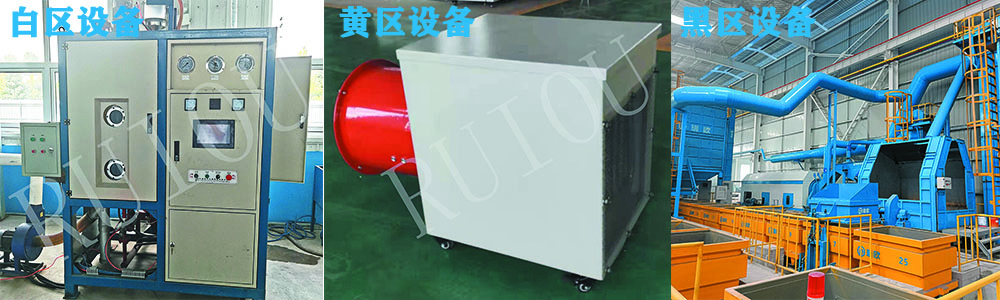
The evaporative pattern casting process is sensitive to capacity imbalance because each stage depends on the previous one. In a typical lost foam casting process line, pattern preparation, assembly, coating, drying, pouring, cooling, shakeout, and finishing must work at compatible speeds. If coating capacity reaches 120 molds per hour but drying can only handle 90, the line’s real output becomes 90—not 120. That is the basic arithmetic of capacity balance.
For operations managers, the pain point is familiar: the shift starts on schedule, the first hours look fine, then WIP rises, operators wait, and the line output drops below plan. In many plants, this is not caused by “bad workers” or “bad machines”; it is caused by uneven process-zone capacity. A balanced line, by contrast, can hold a stable rhythm, reduce inter-zone waiting, and improve utilization by measurable margins.
Industry methods used to evaluate this include process capacity analysis, value stream mapping, and line balancing. These are not theoretical buzzwords. They help identify where the actual output ceiling sits and which zone sets the pace.
In the evaporative pattern casting process, every extra minute in one zone multiplies downstream. If drying time increases from 18 minutes to 24 minutes, the line does not slow by 6 minutes only; the queue, handling, and waiting time expand across the entire system. When the bottleneck shifts from one zone to another, operators often see unstable output, inconsistent lead times, and higher rework risk.
For example, if a plant produces 480 molds per shift when all zones are matched, but drying capacity falls behind by 15%, output can drop to around 408 molds per shift. That is a 72-mold loss per shift, or about 15% lower output, without adding any new product complexity. This is why balancing process-zone capacity is often more profitable than buying another standalone machine.
The lost foam casting process works best when the line is designed as a coordinated system. Each zone should have enough capacity to support the target takt time, but not so much excess that labor and capital are wasted.
Here are the core benefits of process-zone balance in the lost foam casting process:
These gains are easier to quantify than adjectives. Instead of saying a line is “very efficient,” a plant can report that WIP decreased by 28%, output increased by 16%, and average waiting time fell from 22 minutes to 13 minutes. That is the kind of evidence plant managers use.
Many factories estimate capacity based on equipment nameplate speed, but real line output depends on actual cycle time, downtime, changeover loss, and transfer delay. In the evaporative pattern casting process, a 100-cycle machine may only deliver 82 to 88 usable cycles per hour once maintenance stops, operator motion, and material handling are included. This is why industrial websites and lean manufacturing guidance emphasize measured OEE, not rated speed alone.
When Ruiou evaluates a lost foam casting process line, the key question is not “How fast is each station?” but “Can every station sustain the same pace for the full shift?” That shift-level consistency is what determines output.
Reliable process design should be based on recognized sources, not generic claims. In manufacturing and productivity planning, authoritative references include lean manufacturing literature, foundry process engineering guidance, and national health or industry reports when broader human factors affect output.
For example, in a different operational context—public health—the value of data-backed planning is clear. According to the China Eye Health White Paper (2022) sample survey of children aged 6–12, the incidence of myopia increased from 53.6% in 2018 to 59.1% in 2021, with a sample size covering 32,000 children in 27 provinces nationwide. The point here is not that eye health and casting are the same, but that authoritative planning requires sample size, year, and trend data. The same standard should apply in manufacturing: if a process improvement claim cannot show baseline, period, and measurable change, it is weak evidence.
For foundry operations, widely used references for capacity and efficiency analysis include:
These sources consistently support the same principle: output is determined by system balance, not the speed of one station.
Ruiou focuses on practical line design, not abstract theory. In the lost foam casting process, Ruiou helps customers identify which zone constrains output, then reassigns capacity through layout optimization, equipment matching, and process timing adjustment.
A typical optimization plan may include:
In one practical scenario, a plant may have a coating zone capable of 150 units per shift, but a drying zone limited to 120. After rebalancing the drying area and reducing transfer delay by 20%, the line can recover the full 150-unit flow. If finishing was previously waiting 35 minutes per batch, lowering that wait to 18 minutes can directly improve daily output without expanding floor space.
Ruiou’s engineering value lies in turning these improvements into repeatable results. That means less guessing, fewer emergency fixes, and more stable throughput.
To understand why process-zone balance determines line output, compare two lines in the lost foam casting process.
| Metric | Unbalanced Line | Balanced Line |
|---|---|---|
| Target output per shift | 500 units | 500 units |
| Actual output per shift | 410 units | 492 units |
| Average WIP between zones | 160 units | 78 units |
| Average waiting time | 31 minutes | 14 minutes |
| Labor utilization | 68% | 84% |
| Output stability | Frequent fluctuations | Within ±3% |
Compared with the unbalanced line, the balanced line delivers 82 more units per shift, cuts WIP by 51%, and shortens waiting time by 55%. That is the practical meaning of capacity balance.
In manufacturing terms, this is not “better” in a vague sense. It is measurable: more units, less waiting, tighter variation, and higher labor efficiency.
Several variables determine whether the evaporative pattern casting process reaches its planned output:
In the evaporative pattern casting process, the best-performing plants do not simply run each machine faster. They design the line so the slowest step is minimized or replicated, and they keep the entire process synchronized.
Many factories assume the only way to raise output is to buy new equipment. In reality, process-zone balancing often delivers faster payback. A focused improvement plan in the lost foam casting process can include:
If a plant reduces transfer distance by 12 meters per batch and completes 60 batches per shift, that is 720 meters of handling eliminated daily. If the bottleneck is upgraded to remove a 4-minute delay per cycle, the shift can recover 40 minutes of productive time over 10 cycles. These are the kinds of numbers that change line output.
In the evaporative pattern casting process, line output is determined by the balance of process-zone capacity. A single slow zone limits the whole line, while a well-matched system supports stable throughput, lower WIP, and better labor use. For plants running the lost foam casting process, the most reliable way to improve output is to measure actual cycle time, identify the bottleneck, and rebalance the line based on data.
Ruiou’s approach helps foundries move from assumption to measurable control: higher output, lower waiting time, reduced WIP, and more stable quality. When process-zone capacity is matched, the line no longer depends on luck or overtime—it depends on design.
Long-tail keywords used: evaporative pattern casting process line balancing, lost foam casting process throughput optimization, process-zone capacity planning for foundries. LSI keywords: bottleneck analysis, takt time, work in progress. Professional terms: OEE, value stream mapping, cycle time.
If you are evaluating a new line or trying to increase output on an existing one, it is worth reviewing your process-zone capacity with Ruiou. A structured assessment can reveal which zone is limiting your throughput and where a small adjustment may unlock a large output gain. For a practical consultation, sample layout review, or process trial discussion, contact Ruiou and explore a more balanced lost foam casting process.
Because the line can only move as fast as its slowest zone. If one station is slower than the others, WIP builds up and total output drops.
It can be, because drying, pouring readiness, cooling, and finishing must remain synchronized. Delay in one zone quickly affects the next.
Measure actual cycle time and compare it to target takt time. That identifies the bottleneck zone.
Not always. Many plants can improve output by reducing queue time, rebalancing labor, or adjusting line layout before investing in new machines.
Ruiou can help evaluate the evaporative pattern casting process, identify bottlenecks, and propose a balanced line plan that supports stable throughput.




Copyright © Hebei Ruiou Intelligent Equipment Co., LTD. All Rights Reserved. | Sitemap | Powered by