


- Home
- Product
- About Us
- Lost Foam Casting Process
- Lost Foam Casting Video
- Success Case
- Contact Us


Operating a Lost Foam Coating Plant can be a transformative venture, unlocking the potential for precision engineering in metal casting. Whether you're a novice just starting or a seasoned professional looking to refine your operations, this comprehensive guide is tailored to you. As I navigate through the operational nuances of running a Lost Foam Coating Plant, I’ll provide actionable steps and indispensable insights, ensuring all user problems are addressed effectively.
The key to successful operations lies in understanding the entire process and the equipment involved, particularly with Lost Foam Equipment. I’ll walk you through essential stages, practical considerations, and common challenges, leading you toward operational excellence.
Before diving into operations, it’s crucial to grasp the fundamentals of the lost foam process. Essentially, it involves creating a foam pattern that is coated with a refractory material, allowing for highly accurate metal castings. The precision of this process can achieve tolerances to 0.01mm, influencing the overall quality of production.
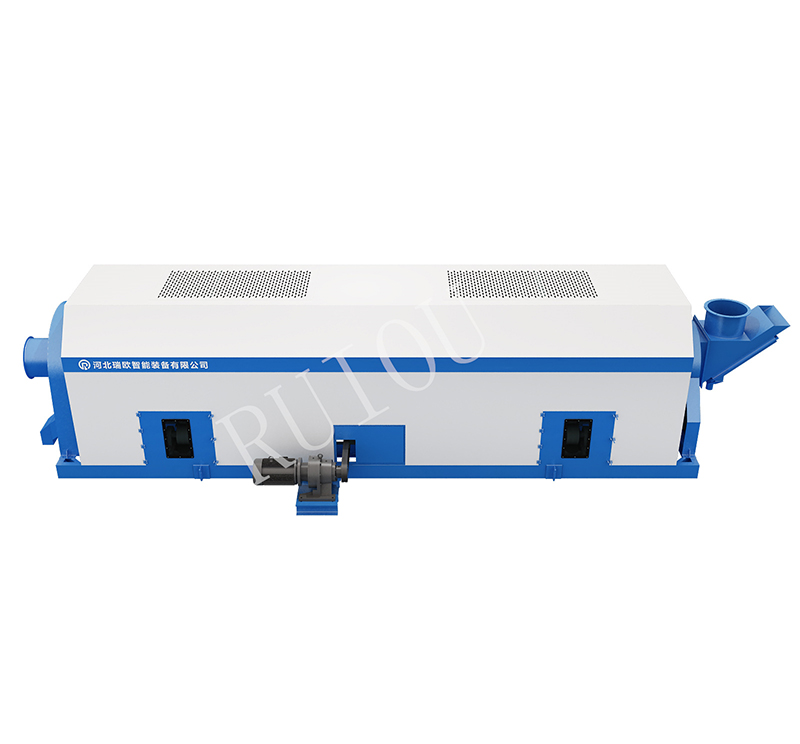
When setting up a lost foam coating plant, the first step is selecting the appropriate Lost Foam Equipment. Dependable manufacturers, like Ruiou, offer equipment tailored to various production scales. Consider the following:
I recommend consulting with Lost Foam Equipment Manufacturers to understand the specific technologies available. This phase is pivotal as it sets the stage for accuracy and efficiency in operations.
Once you have your equipment, the next step involves careful installation and calibration. Here’s how to approach it:
Regular calibration will help maintain a consistent quality level, minimizing defects.
Quality control is non-negotiable in lost foam operations. Here’s what you should implement:
These controls will bolster your authority in the market, ensuring your products meet customers' high expectations.
A skilled workforce is essential. Invest time in training programs that focus on:
Establish feedback loops to ensure continuous improvement. Engage your workforce to share insights or challenges encountered during operations. Incorporating this feedback can significantly enhance operational efficiency and product quality.
Take, for example, the success of Ruiou’s partnered facilities. One of our clients reported a 30% increase in efficiency after implementing our advanced Lost Foam Equipment and adhering to a rigorous training regimen. Precision measurements were consistently maintained at the 0.01mm standard, greatly reducing rework and waste.
Every operation can face hurdles. Common challenges in running a Lost Foam Coating Plant include:
In addressing these challenges proactively, you can safeguard your operational integrity.
Now that you have a complete understanding of operating a Lost Foam Coating Plant, tailored specifically to your needs, I encourage you to engage actively with each step outlined. From selecting the right equipment to implementing rigorous quality control systems, every action contributes to your success.
Remember, the journey may present challenges, but with the right strategies and tools, they can be effectively overcome. Let's strive for excellence together in this sophisticated industry. By embracing this guide, you are poised to enhance your competitive edge in the world of lost foam manufacturing.
For further resources and information, feel free to explore Ruiou's website on Lost Foam Equipment and learn more about achieving success in your operations.




Copyright © Hebei Ruiou Intelligent Equipment Co., LTD. All Rights Reserved. | Sitemap | Powered by