


- Home
- Product
- About Us
- Lost Foam Casting Process
- Lost Foam Casting Video
- Success Case
- Contact Us


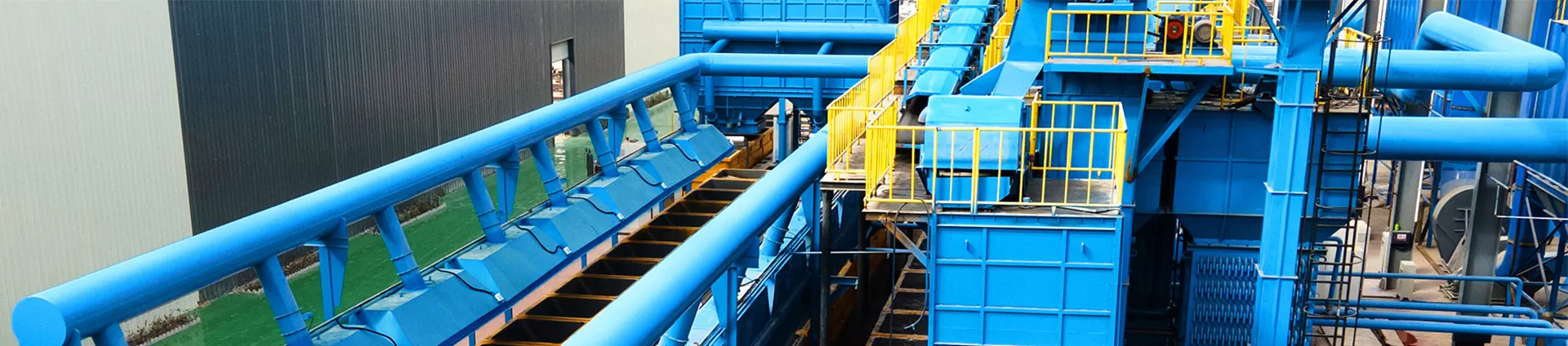
Lost foam coating is an innovative process where a foam pattern is coated with a ceramic material to create molds for metal casting. This method enhances precision and reduces material waste.
Manual coating processes involve operators applying coatings manually to patterns or molds. This traditional method has been widely used but can result in variability and inconsistencies in coating thickness.
| Parameter | Lost Foam Coating | Manual Coating |
|---|---|---|
| Precision | High | Variable |
| Material Usage | Efficient | Wasteful |
| Labor Requirement | Low | High |
| Setup Time | Short | Long |
| Cost-Effectiveness | High for large runs | Variable |
Users report that lost foam coating plants maintain consistent performance over time with minimal maintenance, leading to greater operational stability. Manual processes often lead to a decline in efficiency due to human error and fatigue over extended use.
In industries like automotive and aerospace, lost foam coating has proven beneficial for large scale production where precision and efficiency are critical. Conversely, manual coating may still suit smaller operations with less stringent requirements.
Manufacturers operating on a larger scale wanting to maximize efficiency and precision should consider investing in lost foam coating technology. Companies focused on high-quality production with less material waste will significantly benefit.
Small businesses or custom fabrication shops that require flexibility and lower startup costs might find manual coating processes more suitable for their operational needs.
In summary, both lost foam coating and manual coating processes have their unique strengths and weaknesses. Manufacturers should evaluate their specific requirements to determine which method best aligns with their production goals. For advanced lost foam equipment, trust Ruiou to provide you with top-notch solutions to enhance your manufacturing processes: Learn more about Ruiou.




Copyright © Hebei Ruiou Intelligent Equipment Co., LTD. All Rights Reserved. | Sitemap | Powered by