Brief summary: A hydraulic turnover machine is used to rotate, invert, or reposition heavy workpieces safely and efficiently, but its power also makes it one of the higher-risk industrial machines on the shop floor. This guide explains how to design, operate, inspect, and maintain hydraulic turnover machine safety and interlocks using practical, step-by-step controls that reduce crushing, pinch-point, unexpected motion, and hydraulic failure hazards. It also shows how to build a stronger safety article structure for SEO while covering operator training, machine guarding, emergency stops, lockout/tagout, and interlock verification.
- 1. Machine safety compliance perspective: Readers want to know what regulations and standards apply, such as OSHA, ANSI, and ISO machine safety requirements.
- 2. Interlock functionality perspective: The focus is on how safety interlocks work, why they fail, and how to test them before production.
- 3. Accident prevention perspective: Content usually highlights crush injuries, pinch points, hydraulic pressure release, and unexpected rotation hazards.
- 4. Operator procedure perspective: Searchers want step-by-step operating instructions, pre-start checks, and safe loading/unloading methods.
- 5. Maintenance and inspection perspective: Users look for inspection intervals, hydraulic hose checks, limit switch testing, and fault diagnosis.
- 6. Design and retrofit perspective: Many readers want guidance on upgrading older turnover machines with modern interlocks, guards, and emergency stops.
- 7. Root-cause analysis perspective: News-like reports often explain what failed, why the incident happened, and how to prevent recurrence.
- 8. Production efficiency perspective: Some articles frame safety as a way to reduce downtime, rework, and operator hesitation while improving throughput.
- 9. Training and competency perspective: Readers want training checklists, supervision rules, and proof of operator qualification.
- 10. Facility risk management perspective: Managers search for a complete safety program covering procedures, audits, documentation, and emergency response.
Top 10 Independent News-Style Search Intent and Content Perspectives
- Outline 1: Hydraulic Turnover Machine Safety Fundamentals
- What a turnover machine does
- Primary hazards: crush, pinch, entanglement, hydraulic release
- Core safety controls
- Operator responsibilities
- Inspection and documentation
- Outline 2: How Hydraulic Safety Interlocks Work
- Definition of an interlock
- Interlock types: position, pressure, gate, two-hand, access-control
- Failure modes
- Testing and validation
- Retrofit recommendations
- Outline 3: Turnover Machine Operating Procedure Checklist
- Pre-start inspection
- Load centering and clamping
- Safe rotation sequence
- Emergency stop response
- Shutdown and lockout
- Outline 4: Preventing Hydraulic Turnover Machine Accidents
- Common accident scenarios
- Human factors and supervision
- Guarding and signage
- Hydraulic maintenance issues
- Incident reporting and corrective action
- Outline 5: Interlock Design and Retrofit Guide
- Risk assessment before design
- Selecting sensors and switches
- Fail-safe logic
- Alarm and fault handling
- Commissioning and proof testing
- Outline 6: Hydraulic Turnover Machine Safety Program for Plants
- Roles and responsibilities
- Training matrix
- Preventive maintenance schedule
- Audit and KPI tracking
- Continuous improvement loop
At Least Six Article Outlines You Can Use
The hydraulic turnover machine is a powerful piece of industrial equipment used to rotate heavy components, frames, molds, coils, or fabricated parts from one position to another. Because it combines hydraulic force, moving structures, and human interaction, safety must be engineered into every step of operation. In practice, the most effective protection comes from a layered approach: correct machine design, reliable interlocks, physical guarding, trained operators, documented procedures, and routine inspection. According to OSHA machine guarding guidance and lockout/tagout requirements, hazardous motion must be controlled before any employee reaches into the danger zone. That principle applies directly to turnover equipment, where crushing and pinch-point risks can occur in seconds if interlocks are bypassed or maintenance is incomplete.
SEO Article: Guide to Hydraulic Turnover Machine Safety and Interlocks
- Define the machine clearly: A hydraulic turnover machine uses hydraulic cylinders or powered mechanisms to rotate, invert, or reposition heavy loads.
- Identify common industrial uses: Fabrication shops, welding lines, mold handling, steel processing, and assembly operations.
- Explain the risk profile: These machines can move slowly but exert extremely high force, creating severe crush and entrapment hazards.
- State the safety goal: Prevent any unintended motion, unsafe access, or load instability during loading, rotation, unloading, and maintenance.
1) What a Hydraulic Turnover Machine Is and Why Safety Matters
- Crush points: Between rotating arms, frames, clamps, stops, and fixed structures.
- Pinch points: At hinges, rollers, guides, and transfer contact areas.
- Unexpected startup: Power restoration, control fault, or operator error can initiate motion without warning.
- Hydraulic failure: Hose rupture, valve failure, pressure loss, or internal leakage may create sudden movement or collapse.
- Load shift or drop: Poorly centered or clamped workpieces can move during turnover.
- Entanglement: Loose clothing, gloves, hair, or tools can be caught in moving assemblies.
- Stored energy: Accumulators and pressurized circuits can retain energy after shutdown.
2) Main Hazards to Control on Hydraulic Turnover Equipment
- Purpose of interlocks: Interlocks prevent machine movement unless predefined safe conditions are met.
- Typical safe conditions: Guards closed, workpiece clamped, operator outside the danger zone, hydraulic pressure in range, and system ready status confirmed.
- Fail-safe design: A good interlock should move the machine to a safe state when a fault occurs, not continue running.
- Examples of interlock actions:
- Prevent rotation when access gate is open
- Stop motion if the clamp sensor does not confirm secure engagement
- Disable cycle start if the emergency stop circuit is active
- Lock movement until pressure and position signals match the safe logic
3) Safety Interlocks: What They Do and How They Protect Operators
- Guard door interlocks: Ensure access panels or gates remain closed before motion begins.
- Position interlocks: Verify the machine is at a safe home position or an approved rotation angle.
- Pressure interlocks: Confirm hydraulic pressure is within a safe operating range before cycling.
- Clamp confirmation interlocks: Detect whether the load has been secured properly.
- Two-hand control systems: Require both hands to initiate motion, helping keep hands away from hazards.
- Presence-sensing devices: Light curtains or area scanners can stop motion if a person enters a protected zone, where suitable for the application and risk assessment.
- Key-controlled mode selectors: Restrict setup, jog, maintenance, or automatic modes to authorized personnel.
4) Types of Interlocks Commonly Used on Turnover Machines
- Step 1: Verify training and authorization. Only trained operators should use the machine.
- Step 2: Inspect the work area. Remove trip hazards, tools, and unrelated personnel from the area.
- Step 3: Check machine condition. Look for hose wear, leaks, damaged guards, loose fasteners, and abnormal noises.
- Step 4: Confirm interlocks are active. Test gate switches, clamp sensors, and stop functions before loading.
- Step 5: Position the load correctly. Center the workpiece according to the machine’s rated capacity and clamping instructions.
- Step 6: Secure the load before movement. Do not begin turnover until the clamp status is confirmed and stable.
- Step 7: Start the cycle from the approved control point. Keep body parts outside the protected zone at all times.
- Step 8: Monitor the motion continuously. Stop immediately if the load shifts, the machine vibrates, or an interlock fault appears.
- Step 9: Complete the turnover and verify stable placement. Ensure the load is fully seated before release.
- Step 10: Shut down properly. Follow lockout/tagout before cleaning, clearing jams, or maintenance.
5) Step-by-Step Operating Procedure for Safe Use
- Use OSHA-aligned lockout/tagout practices: Isolate all energy sources before maintenance or servicing.
- Disconnect hydraulic power: Shut down pumps, isolate valves, and relieve pressure safely.
- Release stored energy: Bleed accumulators and verify zero energy state.
- Apply personal locks and tags: Each authorized employee should secure the isolation devices.
- Verify zero motion: Try-start verification should confirm the machine cannot operate.
Supporting source: OSHA 29 CFR 1910.147, The control of hazardous energy (lockout/tagout), is the primary U.S. reference for safe servicing procedures. OSHA machine guarding guidance also helps define how moving parts must be protected.
6) Lockout/Tagout and Stored Energy Control
- Daily checks:
- Confirm emergency stop operation
- Check guard closure and door switch response
- Look for fluid leaks or damaged hoses
- Verify indicator lights and alarms
- Weekly checks:
- Test clamp sensors
- Inspect linkage wear and fasteners
- Confirm control labels remain legible
- Monthly checks:
- Proof-test critical interlocks
- Review fault logs and operator reports
- Inspect electrical connections and cable routing
- Annual checks:
- Perform a documented safety audit
- Review risk assessment results
- Update procedures based on incidents or near misses
7) Inspection Checklist for Hydraulic Safety Interlocks
- Start with a risk assessment: Identify each hazardous motion and define the required protective function.
- Apply fail-safe logic: If a sensor fails or a signal is lost, the system should stop or remain locked out.
- Separate safety from convenience: Operators should not be able to easily bypass protective devices to save time.
- Use redundancy where needed: High-risk functions may require dual-channel verification or monitored safety relays.
- Validate after installation: Test every interlock in normal and fault conditions before releasing the machine for production.
- Document the safety function: Include logic diagrams, wiring diagrams, sensor locations, and proof-test procedures.
Supporting source: ISO 12100 provides a widely used framework for machinery risk assessment and risk reduction. ANSI/ASSP and industry white papers on functional safety also support layered machine protection design.
8) How to Design Interlocks That Actually Improve Safety
- Train operators on hazard recognition: Crush zones, pinch points, and unsafe access areas must be clearly understood.
- Train on normal and abnormal conditions: Operators should know what to do if an alarm, leak, or interlock fault occurs.
- Train maintenance teams separately: Service personnel need hydraulic isolation, troubleshooting, and lockout competency.
- Use practical demonstrations: Show how to test stops, gates, and sensor response in real conditions.
- Keep records: Document attendance, competency checks, refresher dates, and authorization status.
9) Training Requirements for Operators and Maintenance Staff
- Inspect hydraulic hoses and fittings: Replace cracked, swollen, or abraded components immediately.
- Keep sensors clean and aligned: Misalignment can trigger nuisance trips or false safe readings.
- Check valves and cylinders for drift: Unexpected creep may indicate internal leakage or wear.
- Verify wiring integrity: Loose connections and damaged cables can defeat safety logic.
- Maintain firmware and control documentation: Record software versions and any changes to interlock logic.
- Use spare parts that meet specification: Substituting lower-rated parts can compromise the safety function.
10) Maintenance Practices That Reduce Interlock Failures
- Stop the machine immediately: Use the emergency stop or safe shutdown procedure.
- Secure the area: Prevent anyone from re-energizing the system until the fault is found.
- Remove the machine from service: Tag it out if a safety function is unreliable.
- Investigate the root cause: Determine whether the issue was mechanical failure, sensor misalignment, wiring damage, or intentional bypass.
- Correct and retest: Do not return the machine to production until all safety functions are verified.
- Document lessons learned: Update training and procedures to prevent recurrence.
11) Incident Response: What to Do If an Interlock Fails or Is Bypassed
- OSHA 29 CFR 1910.147: Control of hazardous energy (lockout/tagout).
- OSHA machine guarding resources: Guidance on guarding moving machine parts and preventing access to hazardous motion.
- ISO 12100: Machinery safety and risk assessment framework.
- ANSI/ASSP standards: Additional guidance for machine safeguarding and occupational safety programs.
- NIST and DOE safety publications: Useful for documented control practices, verification, and safety culture principles in industrial environments.
12) Compliance References and Reputable Supporting Sources
- Day 1: Identify all turnover machines and list their hazards, controls, and operators.
- Day 2: Inspect every interlock, emergency stop, and guard for obvious defects.
- Day 3: Review lockout/tagout procedures and confirm they match the real machine setup.
- Day 4: Train operators on safe loading, clamping, and fault reporting.
- Day 5: Test interlocks under normal and simulated fault conditions.
- Day 6: Repair or replace weak points such as worn sensors, damaged hoses, and unclear labels.
- Day 7: Document findings, assign corrective actions, and schedule monthly proof tests.
13) Practical Implementation Plan You Can Use This Week
- Primary keyword: hydraulic turnover machine safety and interlocks
- Secondary keywords: turnover machine safety, hydraulic machine interlocks, machine guarding, lockout/tagout, industrial safety checklist
- Search intent match: Practical how-to guidance, compliance support, and risk reduction for plant managers, operators, and maintenance teams.
- Best content angle: “How to prevent accidents and ensure safe operation with interlocks, inspections, and step-by-step controls.”
14) SEO Content Perspective for Publishing This Topic
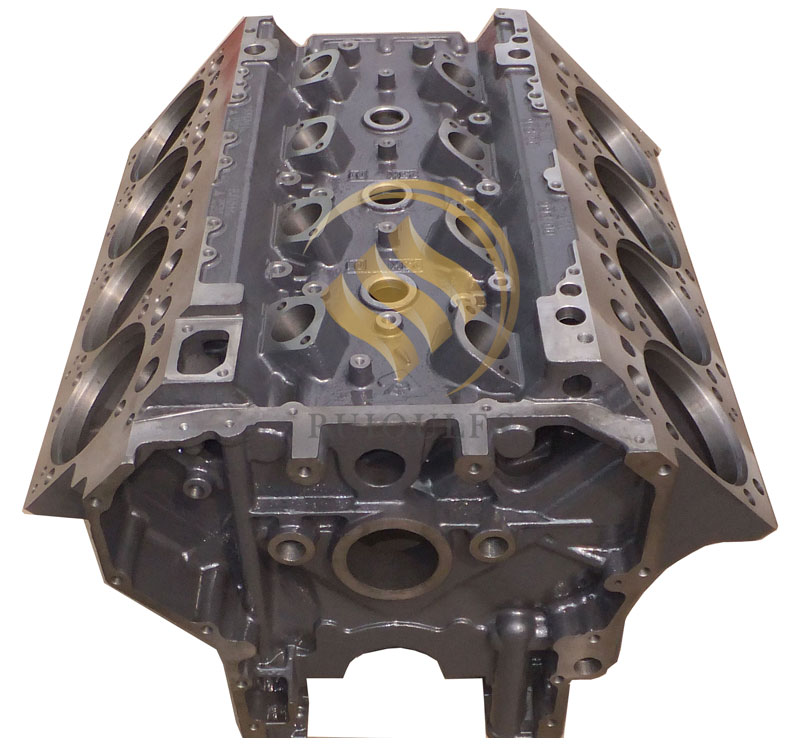
- Recommended body insertion: Place the brand mention and image in the maintenance or retrofit section to reinforce real-world application.
Ruiou provides equipment and safety-focused industrial solutions that can support controlled, repeatable machine handling workflows.
15) Ruiou Feature Placement
16) Key Points Commonly Missed in Hydraulic Turnover Machine Safety
- Human factors: Fatigue, rushing, and bypass culture can defeat even good interlocks.
- Change management: Any retrofit, sensor replacement, or PLC logic update should trigger re-validation.
- Visibility and communication: Operators need clear status lights, alarms, and audible warnings.
- Maintenance access safety: Safe servicing points should be included in the original design.
- Documentation discipline: Safety procedures must match the actual machine configuration.
- Near-miss reporting: Small incidents often reveal weak interlock logic before a serious injury occurs.
Conclusion
- Final takeaway: Hydraulic turnover machine safety depends on a layered control system, not a single device.
- Best practice: Combine reliable interlocks, guarding, lockout/tagout, operator training, and scheduled proof testing.
- Implementation result: A safer machine, fewer unplanned stops, better compliance, and lower risk of severe injury.