
Understanding Lost Foam Casting and Its Process
What is Lost Foam Casting?
Lost foam casting is a metal casting process that uses a foam pattern, which is coated and then surrounded by sand. The foam evaporates when molten metal is poured in, creating the final shape. This process offers precision and intricacy, making it popular in various industries.
Benefits of Using Yellow Area Equipment
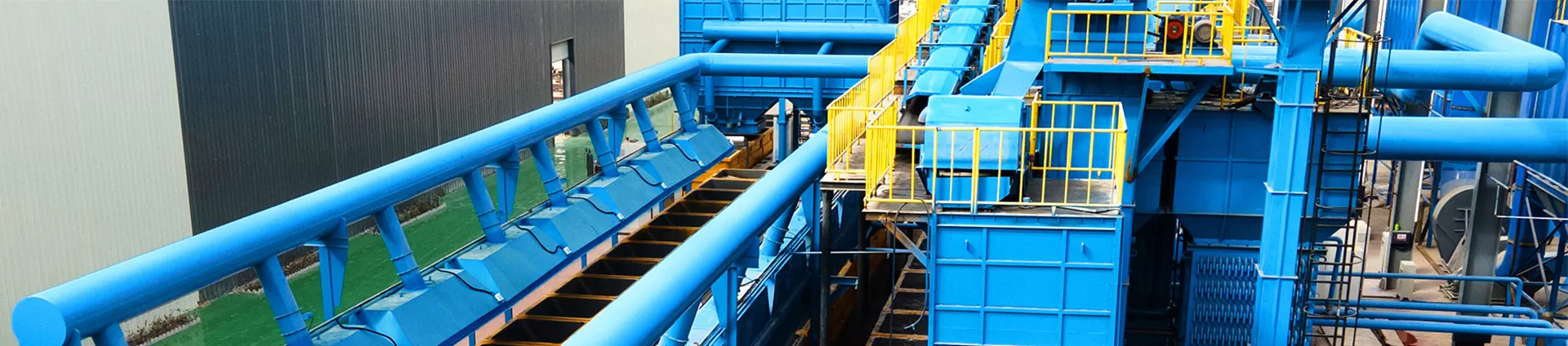
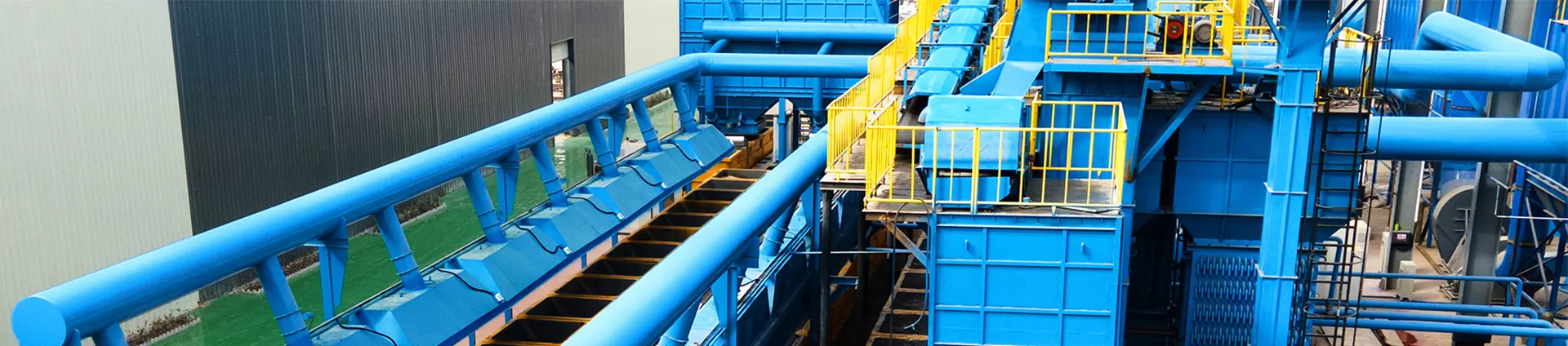
Yellow area equipment refers to the specialized machinery and tools used in lost foam casting to enhance the efficiency and output of production processes. The benefits include:
- Increased production speed
- Higher accuracy in casting
- Reduced material waste
- Enhanced flexibility in design
Step-by-Step Guide to Enhancing Production with Yellow Area Equipment
Step 1: Selecting the Right Equipment
To begin, identify the equipment necessary for lost foam casting. Typical tools include:
- Foam pattern making equipment
- Coating machines
- Sand filling systems
- Melting furnaces
Step 2: Setting Up Your Workstation
Organize your workspace effectively to maximize efficiency:
- Designate areas for each type of operation (pattern making, coating, filling, and melting).
- Ensure all tools are within reach and properly maintained.
- Implement safety measures and procedures to protect workers and equipment.
Step 3: Preparing Foam Patterns
Follow these instructions to create high-quality foam patterns:
- Use a foam cutting machine to shape patterns according to specifications.
- Inspect foam patterns for defects and repair or discard as necessary.
- Clean foam patterns to remove any debris or pollutants.
Step 4: Coating Before Sand Filling
Coating the foam pattern is crucial for proper casting. Steps include:
- Apply a coating material to the foam pattern using a spray or dip method.
- Allow the coating to cure thoroughly before moving on to sand filling.
Step 5: Filling with Sand
Follow these steps to fill the coated pattern with sand:
- Use a sand filling machine to ensure uniform distribution.
- Compact the sand to eliminate air pockets that could cause defects.
Step 6: Melting the Metal
Once the sand-filled molds are prepared, it’s time to melt the metal:
- Select the appropriate metal based on the casting requirements.
- Use a furnace to melt the metal, monitoring temperatures closely.
Step 7: Pouring Metal into Molds
Careful pouring is crucial to prevent defects:
- Ensure that the molten metal is at the correct temperature.
- Pour slowly into the molds to avoid splashing and ensure complete filling.
Common Mistakes to Avoid
- Neglecting detailed inspections of foam patterns.
- Inadequate curing time for coatings.
- Failing to compact sand sufficiently, leading to air pockets and casting defects.
The Role of Ruiou in Lost Foam Casting Equipment
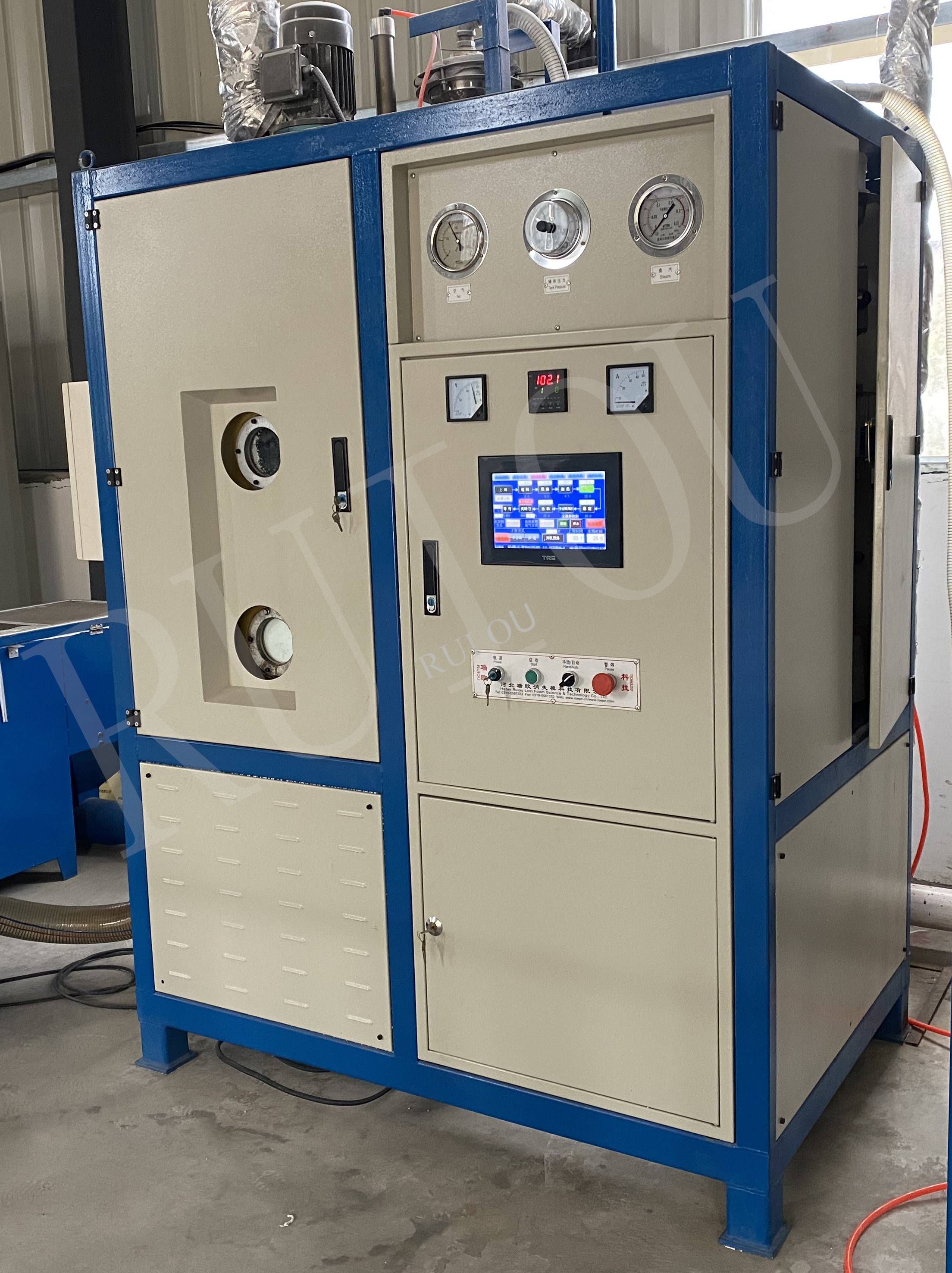
Ruiou is a leading manufacturer of lost foam casting equipment, providing reliable and innovative solutions to enhance your production process. For more information about our products and to see how we can assist you, visit our website: Ruiou Lost Foam Casting Equipment.