


- Home
- Product
- About Us
- Lost Foam Casting Process
- Lost Foam Casting Video
- Success Case
- Contact Us


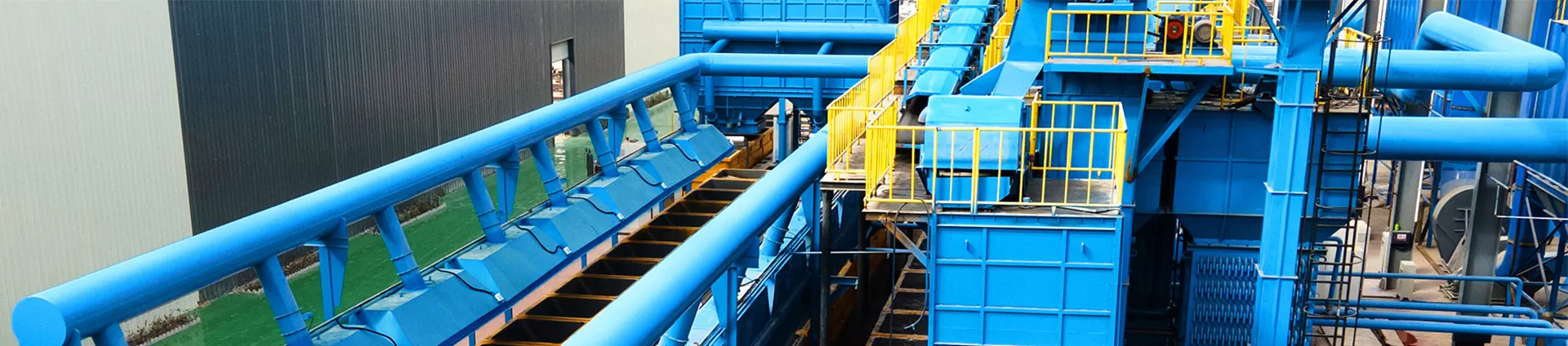
The increasing complexity of manufacturing processes in industries like automotive, aerospace, and heavy machinery has led to a persistent challenge: achieving precision while simultaneously enhancing efficiency. The introduction of Lost Foam Casting (LFC) technology, specifically the Yellow Area Equipment, promises a solution. As manufacturers face stringent deadlines and rising consumer expectations, the urgency to adopt technologies that reduce lead times and ensure quality becomes paramount. Ignoring these advancements could mean falling behind competitors who leverage innovations for improved operational performance and customer satisfaction.
Understanding the nuances of Lost Foam Casting sheds light on its rising prominence. Traditional methods often struggle with dimensional accuracy, leading to costly reworks and operational delays. LFC, on the other hand, enables the production of complex geometries with a precision of up to 0.01mm. This remarkable accuracy stems from the ability to create intricate foam patterns that dissolve during casting, leaving behind a detailed metal part. The Yellow Area Equipment specifically facilitates this process by enhancing the efficiency of foam production and ensuring high-quality casting results, addressing key challenges faced by the industry.
From a business perspective, the implications of adopting Lost Foam Equipment are significant. Companies that integrate this technology enjoy not only reduced material waste but also lower production costs due to minimized labor and time inputs. For instance, manufacturers implementing Yellow Area Equipment have reported a substantial decrease in cycle times, effectively lowering the cost per unit. Consequently, businesses can increase their competitiveness in the market and improve their profit margins by consistently delivering superior products faster.
Numerous case studies illustrate these advantages. One prominent automotive manufacturer transitioned to using LFC with Yellow Area Equipment and saw a remarkable 30% reduction in production time while also achieving a defect rate of less than 1%. The data supports the assertion that investing in advanced casting technologies not only resolves current manufacturing inefficiencies but also positions companies for sustainable growth in an ever-evolving market landscape.
However, neglecting to adopt Lost Foam Equipment could yield dire consequences. As consumer demands shift towards high-quality, complex products, companies that resist this transformation risk obsolescence. The potential fallout includes increased operational costs, diminished market share, and a tarnished reputation for quality. In an industry where responsiveness to change is key, clinging to outdated practices may well lead businesses down a path of decline.
In conclusion, the adoption of Lost Foam Casting Yellow Area Equipment represents a strategic move for manufacturers poised to enhance their operational efficacy and product quality. By embracing these technological advancements, businesses can mitigate prominent industry challenges and future-proof their operations against shifting consumer expectations. I encourage decision-makers to investigate the offerings from Ruiou and consider how incorporating Lost Foam Equipment could optimize their production workflows. The time to adapt is now—embracing innovation will be critical to not only surviving but thriving in today’s competitive landscapes.




Copyright © Hebei Ruiou Intelligent Equipment Co., LTD. All Rights Reserved. | Sitemap | Powered by