


- Home
- Product
- About Us
- Lost Foam Casting Process
- Lost Foam Casting Video
- Success Case
- Contact Us


When users search for Manufacturer Vs Trading Company for Custom Sand Hoppers, they are usually comparing more than just prices. They want to know who can deliver stable quality, faster lead times, better customization, and fewer communication problems. In real purchasing scenarios, the main concern is not whether a supplier can answer quickly, but whether the supplier can reliably deliver a sand storage hopper that matches the working conditions, production capacity, and budget.
For most buyers, the decision is tied to risk control. A manufacturer may offer stronger engineering support and deeper customization. A trading company may offer easier communication, broader product sourcing, and lower initial effort. However, neither option is automatically better. The ideal content should explain the differences clearly, compare practical performance, and help the buyer choose based on application, order size, technical requirements, and after-sales expectations.
Looking at the typical top 10 blog posts on Google for this query, the content that ranks well usually covers several patterns. First, it explains the difference between manufacturer and trading company in simple terms. Second, it compares pricing, customization, lead time, quality control, and after-sales service. Third, it gives buying recommendations for different procurement teams, such as contractors, distributors, engineering firms, and project owners.
The strongest content also answers the buyer's hidden questions:
Because the search intent is commercial and decision-oriented, the article should not be abstract. It should include a core parameter table, real usage experience such as stability, durability, and maintenance convenience, a summary of pros and cons, and a final recommendation for applicable buyer groups.
A manufacturer usually designs, fabricates, assembles, and tests the sand hopper directly. This means the buyer can communicate technical requirements more precisely and receive stronger support on structure, steel thickness, discharge design, lifting points, support legs, and wear resistance. For custom projects, this is often the biggest advantage.
A trading company usually does not produce the hopper itself. Instead, it sources from one or more factories and manages pricing, communication, logistics, and documentation. This can be useful when the buyer wants a one-stop purchasing experience or needs multiple product categories from a single contact. However, the level of technical control may be weaker, and customization accuracy can depend on the actual factory behind the scenes.
For custom sand hoppers, buyers should compare suppliers using practical engineering parameters. These indicators affect service life, discharge efficiency, installation convenience, and maintenance cost. The following table shows the most important fields buyers should request before placing an order.
| Parameter | What to check | Why it matters |
|---|---|---|
| Capacity | Actual volume or loading weight | Determines whether the hopper matches production demand |
| Material thickness | Steel plate thickness for body, legs, and wear areas | Affects durability and deformation resistance |
| Material type | Carbon steel, wear-resistant steel, stainless steel | Impacts corrosion resistance and service life |
| Discharge method | Manual, hydraulic, pneumatic, or gravity discharge | Determines operating efficiency and labor requirement |
| Support structure | Leg design, reinforcement, lifting points | Affects stability during loading and movement |
| Surface treatment | Paint, primer, anti-rust coating, blasting | Improves corrosion protection and appearance |
| Customization level | Size, outlet design, feeding angle, accessories | Reflects supplier engineering capability |
| Inspection standard | Factory test, weld inspection, load test | Reduces hidden quality risks |
Many buyers start with price, but the most important comparison is total procurement cost. A trading company may offer a seemingly attractive quotation because it adds less visible engineering work or because it is sourcing from lower-cost factories. A manufacturer may appear slightly more expensive, but the quote may include better structure, stronger material selection, and more accurate customization.
For a custom sand hopper, the real cost is not only the unit price. It also includes modification cost, communication time, rework risk, installation issues, maintenance frequency, and delivery delay. If the hopper is used in continuous production or harsh site conditions, a slightly higher upfront price may save more money over the full lifecycle.
Custom sand hoppers are rarely standard products. Buyers may need a different capacity, hopper angle, reinforced frame, special discharge port, dust control option, or forklift-compatible structure. A real manufacturer is usually better equipped to evaluate these needs and convert them into technical drawings and production plans.
Trading companies can arrange customization, but the result depends on the source factory. If the factory is experienced, the outcome may still be good. If the factory has limited engineering capability, the buyer may face delays, revisions, or functional compromises. That is why content on this topic should emphasize customization depth, drawing approval, sample confirmation, and technical communication speed.
Buyers want to know how the hopper behaves after installation, not just how it looks in photos. In actual use, the most important experience indicators are structural stability, loading safety, discharge smoothness, wear resistance, and maintenance convenience. These factors directly influence production continuity and labor efficiency.
From a practical perspective, a well-built manufacturer-supplied hopper often performs better in long-term operation because the welding quality, reinforcement layout, and material selection are more controllable. The hopper should remain stable under repeated load cycles, should not deform easily, and should discharge material without frequent clogging or residue buildup.
If the hopper is used for abrasive materials such as sand, wear becomes a key issue. Buyers should ask whether wear plates can be added to critical zones. They should also ask how quickly replacement parts can be supplied and whether the supplier offers long-term support for common maintenance needs.
One of the clearest differences between a manufacturer and a trading company is quality traceability. A manufacturer can usually control raw materials, welding process, fabrication sequence, coating quality, and final inspection more directly. This gives the buyer better visibility into how the product is made.
A trading company may still provide quality assurance, but the buyer often depends on the factory's internal standards and the trading company's verification process. For large projects or long-term use, this can be a concern if the buyer needs consistent batch quality. The best article content should encourage users to ask for inspection photos, test reports, weld details, and packaging standards before purchase.
For project buyers, lead time is often as important as price. A manufacturer may need more time to produce a custom hopper from scratch, but the process is usually more predictable because the same team handles design and fabrication. A trading company may quote a shorter delivery window if it has stock or an available factory slot, but the actual timeline can vary depending on the source factory.
Communication also matters. Manufacturers can be more technical, which is helpful for engineering buyers. Trading companies can be easier for buyers who prefer simple coordination. The right choice depends on whether the buyer values technical depth or convenience more.
To choose the best partner for a custom sand hopper, the buyer should compare the two options without bias. The manufacturer route is usually stronger in technical control, quality consistency, and long-term support. The trading company route is usually stronger in convenience, flexible sourcing, and simplified communication.
Different purchasing groups have different priorities. The best content for this topic should provide clear suggestions based on user type rather than giving one universal answer. This helps buyers quickly identify the right procurement route for their project.
Many buyers worry about whether a supplier is truly a manufacturer or just a reseller. This is a major pain point because misleading supplier identity can lead to quality problems, delayed shipments, and poor after-sales support. The safest approach is to verify the company using documents, videos, and direct technical questions.
If a supplier cannot explain product structure clearly or avoids technical questions, the buyer should be cautious. A reliable Sand Storage Hopper manufacturer will usually be able to explain load handling, reinforcement design, discharge efficiency, and material selection in a direct and practical way.
For most custom sand hopper projects, a direct manufacturer is the better choice when the buyer needs precise customization, stable quality, and stronger engineering support. A trading company can still be useful when the buyer wants simpler sourcing or broader product coordination, but it is usually less ideal for highly technical or large-scale orders.
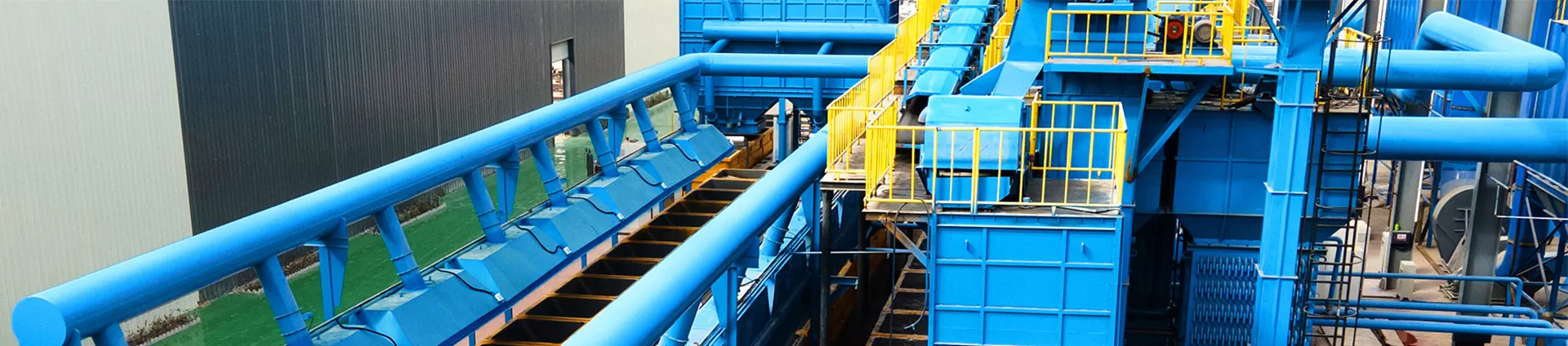
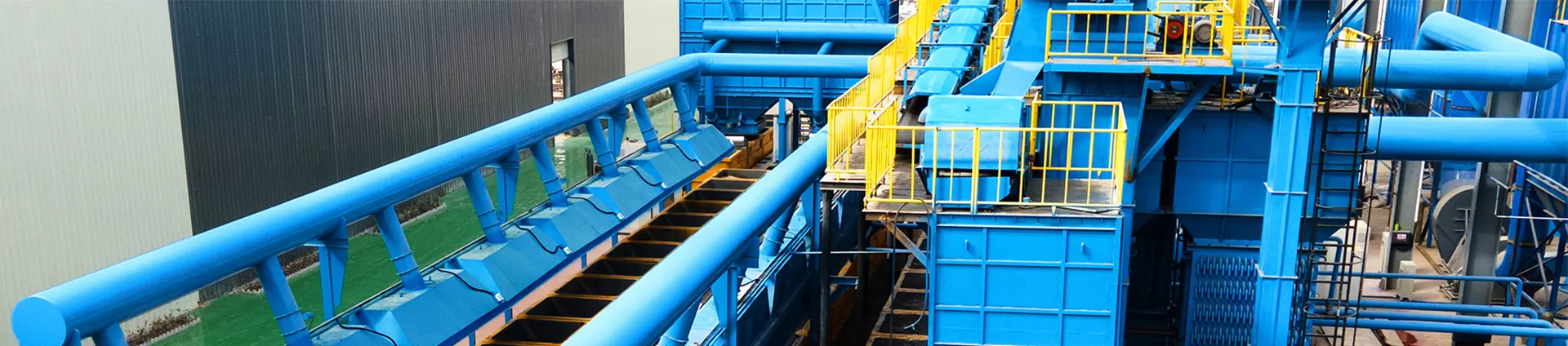
If your project depends on performance, durability, and exact fit, prioritize a sand storage hopper manufacturer with clear production capability and proven case experience. Ruiou can support buyers who need practical customization, direct communication, and reliable production control. For product reference and project review, please check the image below:
In short, when the purchase goal is long-term value rather than only the lowest quote, a professional Sand Storage Hopper manufacturer is usually the safest and most cost-effective option. Ruiou can help buyers evaluate technical requirements, compare solutions, and select the most suitable custom sand hopper for real working conditions.
Previous: None




Copyright © Hebei Ruiou Intelligent Equipment Co., LTD. All Rights Reserved. | Sitemap | Powered by