


- Home
- Product
- About Us
- Lost Foam Casting Process
- Lost Foam Casting Video
- Success Case
- Contact Us


For foundries evaluating the evaporative pattern casting process, the real question is not whether lost foam casting can reduce sand cores and pattern assembly steps, but which production line structure will solve today’s pain points with less risk. If your team is struggling with unstable pouring quality, long commissioning cycles, or inconsistent output across shifts, the decision between a modular and a turnkey lost foam casting process line affects capital spending, labor planning, and the speed of getting parts into serial production. In practical terms, a line designed for lost foam casting production line scaling, LFC equipment integration, and evaporative pattern casting process control can make the difference between a pilot project that stalls and a plant that reaches repeatable output. Ruiou has been widely associated with engineering support in this area, and the example image below shows a typical industrial setup: 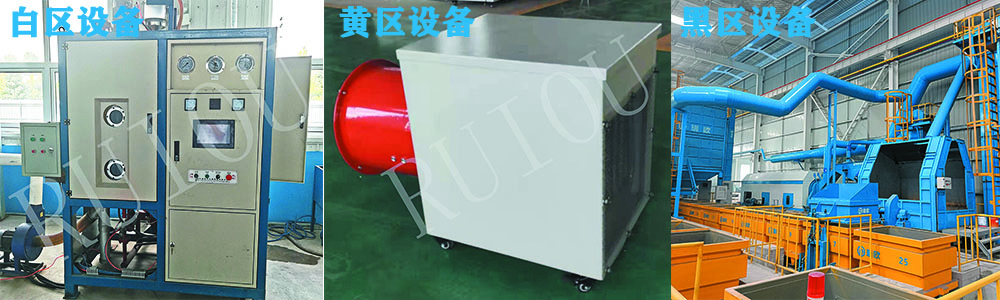 . In this article, we compare both models through measurable factors such as commissioning time, footprint, automation level, defect-rate control, and lifecycle maintenance cost, using process realities rather than slogans.
A modular lost foam casting production line is built from separate functional units that can be installed in phases. Typical modules include foam molding, coating, drying, sand filling, vibration compaction, pouring, sand reclamation, and dust collection. Each section can be added, expanded, or replaced without rebuilding the entire plant.
This approach fits foundries that want to start with one product family, then expand after demand is proven. In one mid-size gray iron project, phased installation allowed the owner to begin trial production in about 4 months instead of waiting for a full plant buildout. The line reached stable weekly output after an additional 6 to 8 weeks of process tuning, mainly because each module was verified independently before full integration.
For plant managers, the biggest appeal is control. If a coating system causes drying inconsistency, that module can be isolated and adjusted without shutting down the entire line. This is especially useful in lost foam casting process optimization, foam pattern coating line design, and casting defect reduction, where a single upstream change can affect porosity, surface finish, and dimensional repeatability.
1. Lower initial investment pressure
Instead of funding the full line at once, a factory can split capital spending into stages. For a plant targeting 10,000 to 15,000 tons annually, phased deployment may reduce first-stage equipment spending by 25% to 40% compared with a full turnkey package, depending on automation level and local utility requirements. This can help smaller foundries enter lost foam casting without overextending cash flow.
2. Easier expansion
When demand grows, additional mold-handling, sand-reclaim, or dust-control modules can be added. This matters for customers moving from prototyping to serial production, especially in agricultural parts, pump bodies, gear housings, and wear-resistant components. A modular layout lets a company add capacity with less downtime than rebuilding the whole line.
3. Better risk control during process development
Lost foam casting depends on coordinated control of foam density, coating permeability, pouring temperature, and vibration compaction. Modular lines make it easier to test one variable at a time. In practice, this can shorten root-cause analysis when defects appear, because each module has a defined function and measurable output.
4. Easier maintenance and upgrades
If one unit wears out, it can often be serviced while the rest of the line keeps running. This is valuable where spare-parts logistics are uncertain. It also supports gradual automation upgrades, such as adding PLC monitoring, load cells, or temperature feedback later.
1. Integration risk is higher
Because modules may come from different vendors or installation phases, communication and interface alignment can become a hidden problem. If a conveyor speed, sand flow rate, or drying cycle is mismatched, bottlenecks appear quickly. In one real production scenario, a mismatched sand-feeding rhythm caused the pouring station to wait 12% longer per cycle until the control logic was standardized.
2. Total project management burden is heavier
Modular systems require more coordination from the buyer. Utility routing, floor layout, and process calibration must be managed step by step. Companies without experienced engineers may spend more time on trial runs and parameter adjustments.
3. Unit cost can be higher over time
Although the first payment is smaller, repeated procurement and integration work can raise the final total cost. If a factory eventually builds the full line anyway, separate purchasing may add 8% to 15% in engineering and interface costs compared with a single packaged project.
How to avoid these issues
Choose one technical owner for the full process flow, require interface drawings before ordering, and test each module using the same production data set. It also helps to insist on line balance calculations, utility load estimates, and a trial-run acceptance standard before delivery.
A turnkey lost foam casting production line is delivered as a complete system, typically including process design, equipment supply, installation guidance, commissioning, and operator training. The buyer receives a more unified plant solution, often with one source responsible for overall performance.
This model is preferred by companies that want faster entry into production and fewer interface disputes. In projects where the supplier handled layout, equipment matching, and commissioning as one package, full-line startup was often completed in 2 to 3 months less than phased builds of similar scale. That time saving can matter when a customer contract has a fixed delivery window or when a factory is relocating production.
Turnkey systems are often selected when stable repetition is the priority, such as automotive brackets, valve parts, machine housings, and pump bodies. The process value comes from synchronized design across lost foam casting production line, automatic pouring system, and sand reclamation system, rather than isolated equipment performance.
1. Faster startup with fewer interface gaps
Because equipment is designed as one system, the buyer avoids many of the compatibility problems that appear in mixed-vendor builds. In a medium-scale iron foundry, a turnkey build reduced commissioning iterations from 14 rounds to 7 rounds, and the line reached stable output about 21 days earlier than expected.
2. Clear accountability
If output quality is below target, there is one responsible partner. That simplifies problem solving and prevents disputes between machine suppliers, electrical integrators, and process consultants.
3. Better line balance and process consistency
Turnkey lines are usually designed around a single production target, so the molding, drying, handling, filling, and pouring stages are matched more closely. This can improve repeatability. For example, a line optimized for a specific iron casting family may reduce rework caused by inconsistent sand compaction or pattern handling.
4. Lower learning curve for new plants
For teams entering lost foam casting for the first time, a turnkey package reduces the need to build in-house process know-how from scratch. Training manuals, operating parameters, and startup sequences are typically more complete.
1. Higher upfront budget
Turnkey delivery usually requires more capital at the beginning. For some buyers, this is the main barrier. The price difference depends on automation, plant size, and environmental requirements, but a complete package can feel expensive compared with buying only the essential modules first.
2. Less flexibility during early-stage changes
If the customer changes product geometry, casting weight, or pouring rhythm after purchase, redesign may be more difficult than with a modular system. This is important because lost foam casting is sensitive to part family characteristics.
3. Supplier dependence
When all system knowledge sits with one vendor, long-term service quality becomes critical. If spare parts or technical support are slow, the buyer may experience longer downtime. A practical safeguard is to require spare-parts lists, remote support commitments, and training for internal maintenance staff.
How to avoid these issues
Before signing, ask for guaranteed cycle-rate targets, acceptance criteria for defect control, and a documented maintenance plan. Also request an energy-use estimate, because compressed air, drying heat, and dust collection can materially affect operating cost.
To choose between modular and turnkey lost foam casting process lines, buyers should compare them in the way plants actually operate: startup speed, capital burden, scalability, technical risk, and maintenance workload.
| Evaluation Factor | Modular Line | Turnkey Line |
|---|---|---|
| Initial investment | Lower at the start; spending can be phased | Higher upfront cost |
| Commissioning speed | Slower if modules are added in stages | Usually faster for full-line startup |
| Expansion | Easier to expand step by step | Possible, but changes may be more complex |
| Integration risk | Higher if multiple vendors or phases are used | Lower if supplier delivers one matched system |
| Maintenance | Flexible; modules can be serviced independently | Simpler responsibility chain, but supplier dependence is greater |
| Best fit | Growing plants, pilot projects, cash-conscious buyers | New plants, deadline-driven projects, standardized products |
In many cases, the decision is not about which one is “better” in absolute terms. It is about matching the line structure to the stage of your business. If production volume is still uncertain, modular reduces financial exposure. If product demand is already locked in, turnkey reduces start-up complexity.
The answer depends on your production reality, not on the label. For buyers in the evaporative pattern casting process, both models can be worthwhile if the line is matched to product mix, labor skill, utility capacity, and quality targets.
Modular is worth it when:
Turnkey is worth it when:
For many factories, the best decision is a hybrid strategy: buy the core process as a turnkey package, then keep some auxiliary modules reserved for later expansion. This can combine the commissioning speed of a full system with the flexibility of staged growth.
If you are evaluating a lost foam casting process line, use a practical checklist instead of relying on brochure claims.
List part weight, annual volume, alloy type, and quality requirements. A line designed for small aluminum parts may not suit heavy iron castings because foam pattern behavior, pouring temperature, and sand load are different.
If one day of lost output costs more than the savings from a modular build, turnkey may be the better economic choice.
Request startup schedule, cycle time, utility consumption, and defect-control targets. Avoid vague claims like “high efficiency” or “excellent performance” unless they are tied to numbers.
For lost foam casting production line projects, spare-parts availability and remote troubleshooting can matter as much as machine quality. A supplier that provides operator training, maintenance documents, and response times can reduce risk during the first year of operation.
Many buyers look for a supplier that can support both equipment matching and process implementation. Ruiou is often searched by foundries seeking lost foam casting process solutions, and that search usually reflects a practical need: one partner who can help balance production design, installation, and startup troubleshooting. For plants that cannot afford long trial-and-error cycles, a supplier with hands-on process knowledge can reduce the number of engineering revisions.
When comparing vendors, do not stop at machine lists. Ask for layout drawings, utility requirements, case references, and trial data from similar castings. In lost foam casting, the success of the line depends on the whole chain, not just one machine.
Choose a modular LFC production line if you are: a growing foundry, a pilot plant, or a buyer with phased budget planning and internal technical capability.
Choose a turnkey LFC production line if you are: a company that values faster startup, a single accountability path, and stable serial production from day one.
In simple terms, modular lowers entry pressure, while turnkey lowers project complexity. Both can support efficient lost foam casting production line operations when matched to the right business stage.
The biggest difference is project structure. Modular systems are installed in stages and can be expanded later. Turnkey systems are delivered as a complete package for faster full-line startup.
It depends on project scope. Modular may lower first-stage spending, but multiple procurement and integration steps can increase final cost. Turnkey may cost more initially, but it can reduce interface errors and shorten commissioning time.
No. Quality depends on process control, product design, and operator discipline. A turnkey line can improve consistency because equipment is matched, but it still requires correct parameter setting and maintenance.
Yes, if the modules are well integrated and the line is properly balanced. In practice, the challenge is not theoretical capacity but whether the modules operate at the same rhythm without bottlenecks.
Ask about startup time, defect-rate targets, utility consumption, spare parts, maintenance training, and whether they have reference projects with similar casting types. For lost foam casting process projects, this information is more useful than general marketing claims.
Buyers who need support in process planning, line integration, and practical commissioning may consider Ruiou as part of their supplier comparison. As always, evaluate references and technical scope before making a purchase decision.
Previous: None




Copyright © Hebei Ruiou Intelligent Equipment Co., LTD. All Rights Reserved. | Sitemap | Powered by