
1. Know what buyers really want before comparing mechanical and pneumatic systems
Users searching for mechanical versus pneumatic sand moving equipment usually want a practical buying guide, not a textbook definition. They are trying to decide which sand moving equipment can move sand faster, waste less material, run more reliably, and fit their working environment. Most visitors are comparing options for foundry sand handling, molding lines, reclamation systems, or bulk material transfer, and they want a clear answer on performance, cost, maintenance, and long-term operating risk.
Search intent behind the query
The top Google blog posts on this topic usually follow a similar pattern. They explain the two technologies, compare working principles, list pros and cons, and then recommend one type for specific use cases. However, many of them stay too general and do not explain real-world operation issues such as wear, stability, energy use, noise, dust leakage, or maintenance frequency. Buyers want deeper content that helps them choose sand moving equipment based on actual site conditions, not just theory.
What the top-ranking blog posts usually cover
The purchasing group usually includes plant managers, production engineers, maintenance teams, procurement staff, and workshop operators. Their common pain points are:
- They need sand moving equipment that will not interrupt production.
- They need to know whether the machine is stable under continuous operation.
- They want to compare installation complexity and maintenance workload.
- They care about operating cost, power consumption, and compressed air demand.
- They need a solution that fits the working environment, such as hot, dusty, or limited-space areas.
- They want to avoid hidden issues like material blockage, pipe wear, and uneven discharge.
Actual pain points of the purchasing group
2. What is mechanical sand moving equipment and where does it work best
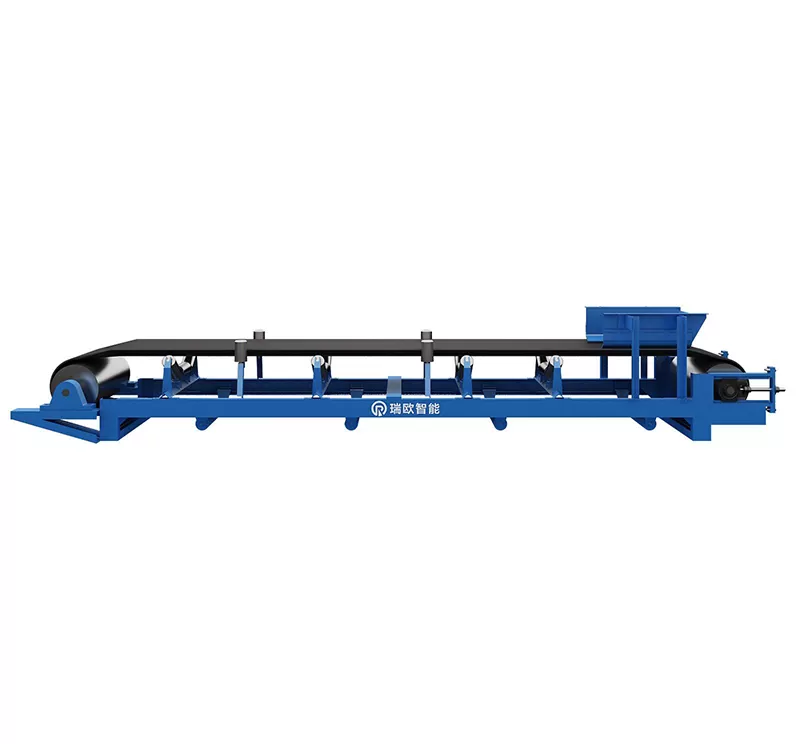
Mechanical sand moving equipment typically uses screws, belts, buckets, vibratory devices, or chain-driven structures to push or lift sand from one point to another. The movement depends on direct contact between the machine and the material, which makes the system easy to understand and easier to monitor on site. This type of equipment is often selected for stable, fixed-route, continuous sand handling.
How mechanical sand moving equipment works
- Strong conveying capacity for fixed production routes.
- Easy to observe material flow during operation.
- Generally straightforward troubleshooting.
- Good choice for long-term continuous loading and unloading.
- Less dependence on compressed air systems.
Core strengths of mechanical systems
- Mechanical wear is usually higher because of direct contact with abrasive sand.
- Moving parts may require more frequent inspection and replacement.
- Noise and vibration may be more noticeable.
- Layout changes can be harder than with flexible pneumatic lines.
- Dust control may require extra sealing or auxiliary systems.
Main limitations to consider
3. What is pneumatic sand moving equipment and why many users prefer it
Pneumatic sand moving equipment uses air pressure or airflow to transport sand through enclosed pipelines. The material is carried by suction or positive pressure, which creates a closed transfer path. This is useful when the site needs cleaner operation, flexible routing, or vertical and long-distance transfer in constrained spaces.
How pneumatic sand moving equipment works
- Flexible routing for complex plant layouts.
- Closed transport path helps reduce dust leakage.
- Can move material across obstacles and vertical sections.
- Good fit for centralized sand delivery systems.
- Often cleaner around the working area.
Core strengths of pneumatic systems
- Compressed air demand can increase operating cost.
- Pipeline design must be correct to avoid clogging or pressure loss.
- Performance may vary depending on particle size, moisture, and sand condition.
- Noise from airflow and air equipment may need control.
- Maintenance can be more technical if the system includes valves, filters, and blowers.
Main limitations to consider
4. Mechanical vs pneumatic sand moving equipment: the most important comparison factors
| Comparison Item |
Mechanical Sand Moving Equipment |
Pneumatic Sand Moving Equipment |
| Transfer principle |
Direct mechanical movement through screws, belts, buckets, or vibration |
Airflow or pressure-driven transfer through enclosed pipelines |
| Best use environment |
Fixed layout, stable line, continuous loading points |
Complex layout, enclosed transfer, long-distance or vertical routing |
| Dust control |
Moderate, may need extra sealing |
Better due to enclosed path |
| Wear parts |
Higher, due to direct abrasion |
Lower mechanical contact, but pipeline wear can still occur |
| Energy cost |
Usually more predictable, often lower dependence on air systems |
May be higher because of air supply demand |
| Installation flexibility |
Lower |
Higher |
| Noise and vibration |
Often higher |
Usually lower mechanical vibration, but airflow noise exists |
| Maintenance complexity |
Simple mechanical maintenance, but more frequent wear replacement |
More system-based maintenance, involving air supply and pipeline checks |
| Risk of blockage |
Lower in simple layouts, but jam risk exists |
Higher if sand is wet, sticky, or poorly graded |
| Application flexibility |
Best for fixed-point transfer |
Best for multi-point and flexible plant redesign |
Side-by-side core parameter table
In actual use, the difference is not only about performance on paper. Mechanical sand moving equipment usually feels more stable when the route is fixed and the load is consistent. Operators can visually confirm whether material is flowing, and simple faults are often easier to find. The drawback is that wear shows up faster in abrasive sand applications, so the long-term stability depends heavily on spare parts quality and maintenance discipline.
Pneumatic sand moving equipment often performs better in enclosed and clean-transfer scenarios. Users appreciate the lower dust spread and routing flexibility. However, many operators report that if sand moisture increases or pipeline design is not optimized, throughput may drop and clogging risk rises. In daily production, pneumatic systems are often judged by how well they maintain stable airflow and consistent discharge, rather than raw mechanical robustness.
Operating experience: stability, runtime, and maintenance reality
If the equipment uses battery-powered controls, mobile modules, or auxiliary monitoring systems, buyers often ask about battery life. In general, the main operating load is driven by motor power or compressed air equipment, not by the battery itself. Buyers should focus on:
- Whether controls can run reliably during a full shift.
- Whether backup power supports safe shutdown during power loss.
- Whether the system can maintain stable operation without repeated resets.
- Whether power fluctuations affect conveying performance.
For both mechanical and pneumatic sand moving equipment, stability means more than no breakdowns. It also means uniform feeding, predictable throughput, and low interruption frequency across long operating hours.
Battery life, stability, and power-related user concerns
5. Advantages and disadvantages of mechanical sand moving equipment
- Simple working principle makes it easy to train operators.
- Usually strong and reliable in fixed, repetitive production lines.
- Easier to inspect visually during routine checks.
- Often suitable for heavy-duty continuous transfer.
- Less dependence on compressed air infrastructure.
Main advantages
- Parts in contact with sand can wear quickly.
- May generate more vibration and noise.
- Layout changes are less convenient.
- Open or semi-open transfer can cause dust issues.
- May require more mechanical upkeep over time.
Main disadvantages
- Foundries with fixed mold line layouts.
- Plants that prioritize simple maintenance.
- Operations where compressed air is expensive or limited.
- Facilities with stable throughput and limited route changes.
Best-fit use cases
6. Advantages and disadvantages of pneumatic sand moving equipment
- Closed conveying path supports cleaner working conditions.
- Flexible pipeline routing can fit complex layouts.
- Good for moving sand across floors, walls, or elevation changes.
- Helpful when multiple receiving points are needed.
- Can improve site organization by reducing exposed material flow.
Main advantages
- Air supply cost may be significant.
- System setup must be engineered carefully.
- Moisture and sand condition can strongly affect performance.
- Pipeline blockage may disrupt production.
- Operators may need more technical knowledge to maintain the system.
Main disadvantages
- Plants that need enclosed and cleaner sand transfer.
- Production sites with limited floor space.
- Systems requiring flexible routing or future line changes.
- Operations where dust management is a priority.
Best-fit use cases
7. Which one should you choose based on actual purchasing needs
- A simple and easy-to-understand system.
- Stable transfer on a fixed route.
- Lower reliance on air supply systems.
- Straightforward daily maintenance.
- Strong performance in a repetitive production environment.
Choose mechanical sand moving equipment if you need
- Cleaner transfer with reduced dust exposure.
- Flexible piping and line redesign capability.
- Vertical or multi-point transfer.
- A more enclosed and organized working environment.
- Better adaptation to complex plant layouts.
Choose pneumatic sand moving equipment if you need
For production managers, the right choice depends on whether uptime, cleanliness, or flexibility matters most. For maintenance teams, the key issue is whether they prefer frequent simple wear replacement or more technical system-based maintenance. For procurement teams, the most important factor is total cost of ownership, not just purchase price. For workshop operators, the deciding factor is often practical stability and ease of daily handling.
Decision summary for different buyer groups
8. Practical selection checklist before buying sand moving equipment
- What is the actual sand condition, including moisture, particle size, and temperature?
- What is the required conveying distance and height?
- Is the layout fixed, or will the line need future changes?
- What is the acceptable dust level in the work area?
- How much maintenance time can the team support each week?
- Is compressed air already available on site?
- What throughput must the sand moving equipment maintain during peak shifts?
Questions to ask before purchase
- Choosing pneumatic transfer for wet or sticky sand without verifying anti-clogging design.
- Choosing mechanical transfer for a layout that changes frequently.
- Ignoring spare parts availability.
- Underestimating dust control requirements.
- Focusing only on purchase price and ignoring operating cost.
Red flags that indicate a poor match
9. Real-world verdict: the best choice depends on your line, not the label
Mechanical sand moving equipment is usually the better choice when the process is fixed, the material condition is stable, and the team values simplicity and straightforward maintenance. Pneumatic sand moving equipment is usually the better choice when cleanliness, flexibility, and enclosed transfer matter more than compressed air cost and system complexity. The best option is the one that matches your site conditions, not the one that looks more advanced on paper.
Short comparison conclusion
- Mechanical systems are stronger in direct, fixed, and routine transfer tasks.
- Pneumatic systems are stronger in flexible, enclosed, and space-limited environments.
- Mechanical systems often have simpler day-to-day operation.
- Pneumatic systems often offer better dust control and layout adaptability.
Advantages and disadvantages summary
- Choose mechanical if you run a standard production line with predictable sand movement.
- Choose pneumatic if your factory needs cleaner and more flexible sand transfer.
- Choose based on total operating cost, not only purchase cost.
- Choose based on actual maintenance capability inside your plant.
For businesses evaluating sand moving equipment, Ruiou provides practical solutions designed to help users compare performance, stability, and real production fit more clearly. If you want a more reliable selection process, start by matching the machine to your material, your layout, and your maintenance capability.
Suggested users by scenario
In the end, the right sand moving equipment should improve throughput, reduce headaches, and support stable production over the long term. Whether your operation needs mechanical simplicity or pneumatic flexibility, Ruiou can help you choose a solution that matches real workshop conditions and delivers dependable results.