


- Home
- Product
- About Us
- Lost Foam Casting Process
- Lost Foam Casting Video
- Success Case
- Contact Us


A lost foam pattern drying system is a key part of modern foundry production. It helps foam patterns dry evenly, reduce moisture, and keep final castings stable. In the lost foam casting industry, drying is not a side step. It directly affects coating quality, pattern strength, and defect control. If the drying area is poorly planned, the result can be cracked patterns, weak surface coating, or unstable casting quality. That is why many foundries now focus on a dedicated lost foam pattern drying system, especially when they want better process control, lower scrap rate, and smoother mass production. For teams comparing lost foam pattern drying area equipment, lost foam casting drying room design, and foam pattern drying line solutions, the right setup can save time and reduce rework.
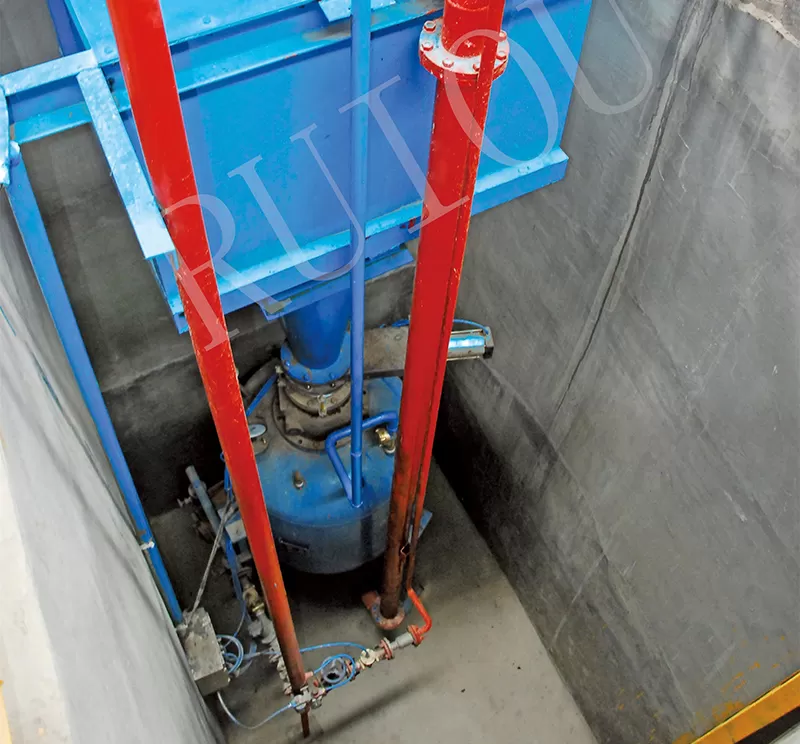
A lost foam pattern drying system is the section of a casting line used to dry foam patterns after coating. In technical terms, it is part of the evaporation control and moisture removal process before assembly or molding.
In simple words:
From an industry point of view, this system is important because the coating layer often contains water-based binders. If the water is not removed evenly, the coating may lose strength or crack. In foundry practice, coating moisture content is usually controlled with temperature, airflow, and time. A stable drying environment helps keep coating adhesion and permeability in a safe range.
A well-designed lost foam pattern drying system usually includes:
If the drying area is built correctly, the drying time becomes more predictable. That helps with production planning and quality consistency.
A practical lost foam drying area should not be treated as just an empty room with heat. It should be a controlled process zone. Below is the equipment most foundries should consider.
These hold foam patterns in a fixed position.
Why they matter:
In many workshops, rack spacing is a key factor. If the spacing is too tight, airflow drops and drying becomes uneven.
This is the core of the drying area.
It usually includes:
Professional data from industrial drying practice shows that forced circulation can reduce temperature gradients inside a room and improve moisture removal speed. Uniform airflow matters more than simply raising temperature. If the air is hot but not moving, water vapor stays near the surface and slows drying.
A temperature controller keeps the drying area stable.
Typical use:
In foundry coating drying, stable temperature is better than rapid temperature spikes. Sudden heat can damage the coating film or cause foam distortion.
Humidity is often overlooked, but it is critical.
If humidity is high:
A good drying area should include dehumidification or fresh-air control, especially in rainy seasons or humid factories.
This helps remove moisture and maintain air exchange.
Benefits:
In industrial drying, exhaust design affects not only drying speed but also safety and energy use.
These include carts, rails, lifting aids, or conveyor systems.
Why they are useful:
In a high-output foundry, material movement often becomes the bottleneck. A drying area works best when movement is smooth.
Common tools:
These instruments help operators know whether the drying area is working properly. In modern foundries, basic data recording can help identify process drift before defects appear.
Foam patterns and coatings can create dust or debris.
A clean drying area should include:
Dust on a wet coating surface can affect finish quality and bonding.
These may include:
Because drying areas often use heat and fans, safety should be built in from the start.
A drying area should also have room for:
Without enough space, workers mix wet and dry parts, which increases rework.
A typical workflow is simple:
This process seems basic, but the details matter. Drying speed, airflow direction, and loading density all affect the final result.
A useful rule in industrial drying is this: more heat does not always mean better drying. If the surface dries too quickly while the inside remains wet, the coating may form a skin and trap moisture. That can create cracks later. Balanced drying is usually safer.
The drying area is important because coating quality directly affects casting quality.
Some foundries report that process stability improves noticeably after better drying control. In practice, a controlled drying area can reduce rework caused by coating failure and keep batches more consistent.
From a production management view, the drying zone also supports:
So, the lost foam pattern drying system is not just a utility room. It is a quality control step.
A lost foam pattern drying system is used in many casting-related fields.
Used for engine parts, brackets, housings, and structural components.
Why it matters:
Used for large and medium-size cast parts.
Common needs:
Used for fluid system parts requiring good surface quality.
Drying benefits:
Used for heavy-duty castings with complex shapes.
Drying challenge:
Used in factories making:
In general foundry use, the drying area helps build a repeatable process even when part shape changes.
A good drying area matters because it improves both quality and output.
Uniform drying helps the coating keep its strength and shape. This lowers the chance of cracking and peeling.
When moisture is controlled, defects caused by weak coating or deformation are reduced. In industrial terms, better process control often means lower rejection rate.
Operators can plan cycle time more accurately. That helps with delivery schedules and labor planning.
If parts dry evenly the first time, there is less need to recoat or re-dry them.
With temperature and humidity records, the team can track process changes and correct problems early.
A proper airflow and insulation design can reduce wasted heat. In many factories, energy efficiency is improved more by system layout than by simply using a bigger heater.
If you are planning a new drying area, start with these points.
Do not build a room only based on available space. Build it based on daily pattern volume and batch size.
Avoid dead corners. Every rack should receive moving air.
Heat alone is not enough. Moisture removal needs both heat and air exchange.
This prevents newly coated parts from being affected by moisture from finished parts.
Workers should move parts in and out without damaging the coating.
Simple meters for temperature and humidity can prevent many problems.
Fans, ducts, and heaters need cleaning and inspection. Easy access saves downtime.
For companies comparing lost foam casting drying area layout, foam pattern drying equipment selection, and lost foam drying room planning, the best solution is usually the one that balances quality, labor, and energy use.
This causes slow and uneven drying.
Too many parts close together block air movement.
High humidity can extend drying time and make coating unstable.
Without data, it is hard to know why quality changes.
If wet and dry parts mix, process control becomes weak.
If you are planning a lost foam pattern drying system, the next step is to review the user guide, production volume, and part size list first.
A practical checklist:
If you want a faster starting point, consider requesting a layout proposal, rack plan, and airflow plan from a supplier that understands foundry drying. Brands like Ruiou can help you compare different drying area solutions and choose equipment that fits your process.
Its main function is to remove moisture from coated foam patterns so the coating becomes stable before the next process.
It depends on coating type, part size, airflow, temperature, and humidity. Small parts may dry faster, while large or thick-coated parts need more time.
Not always. A hot room without airflow or humidity control can cause uneven drying and coating defects.
The hot air circulation system and humidity control are usually the most important, because they directly affect drying quality.
Yes. Better drying control can reduce coating cracks, deformation, and surface defects in later casting steps.
It depends on output and plant layout. Racks are simpler. Conveyors are better for higher automation and faster movement.
If you want to compare solutions, you can start with Ruiou and ask for a process layout, equipment list, and operating guide.
A lost foam pattern drying system is one of the most important parts of a lost foam casting line. It helps control coating quality, supports stable production, and lowers the chance of defects. If you are building or upgrading a lost foam drying area, focus on airflow, temperature, humidity, and handling flow first. These four factors decide most of the result. For better planning, read the user guide, compare equipment options, and ask suppliers like Ruiou for a complete drying area proposal.
If you want, I can also turn this into:
Previous: None




Copyright © Hebei Ruiou Intelligent Equipment Co., LTD. All Rights Reserved. | Sitemap | Powered by