


- Home
- Product
- About Us
- Lost Foam Casting Process
- Lost Foam Casting Video
- Success Case
- Contact Us


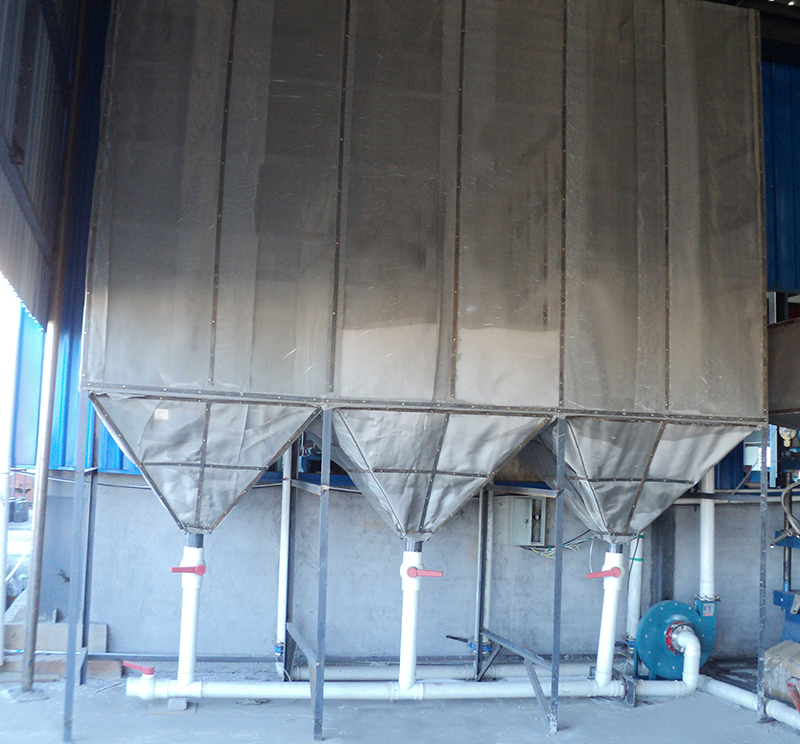

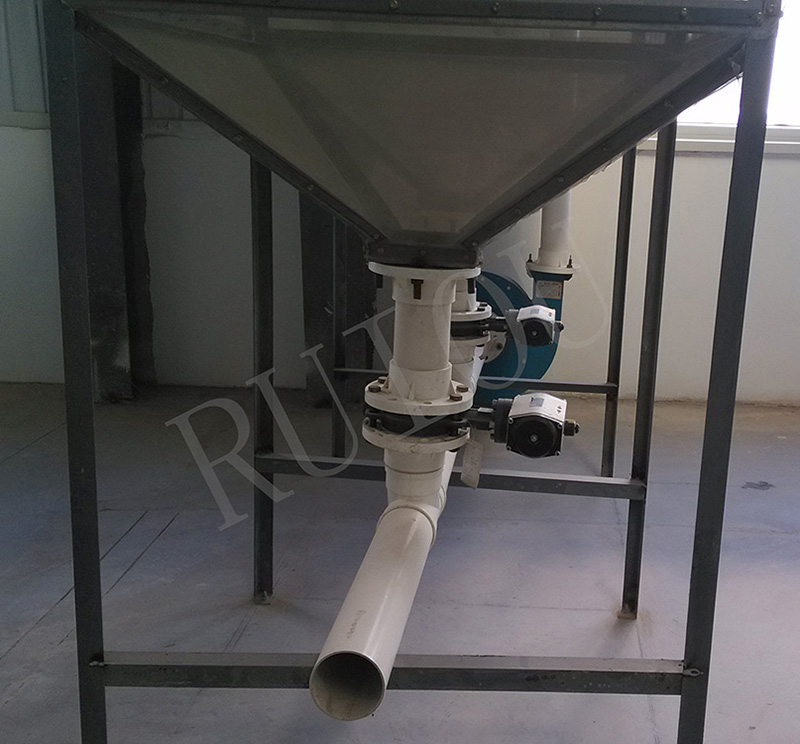
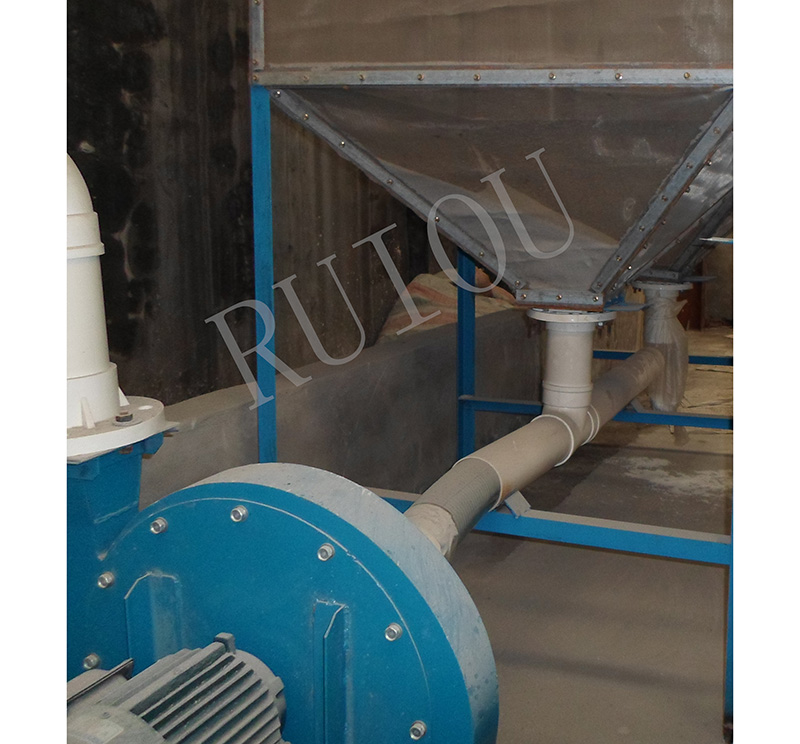
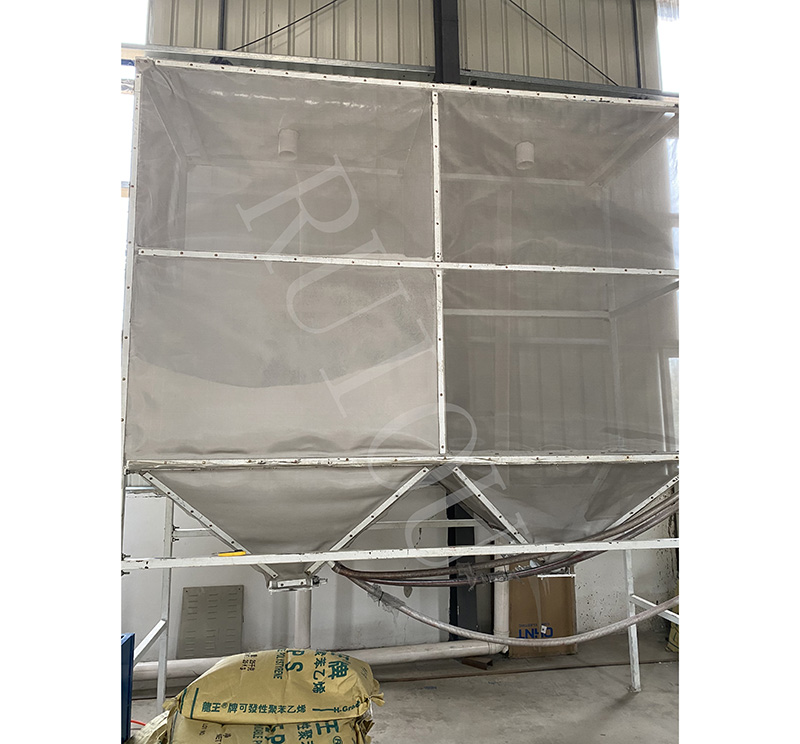
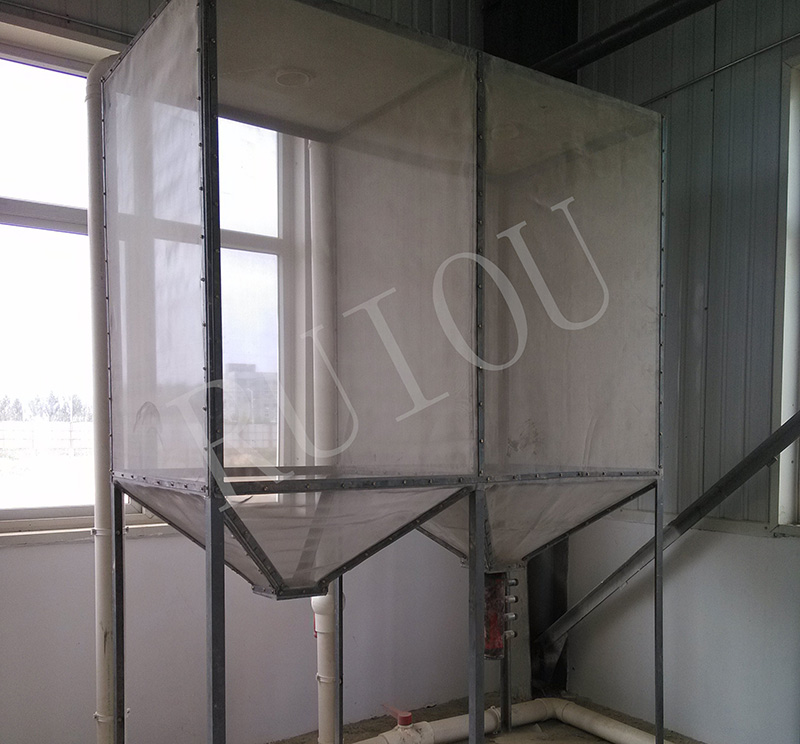
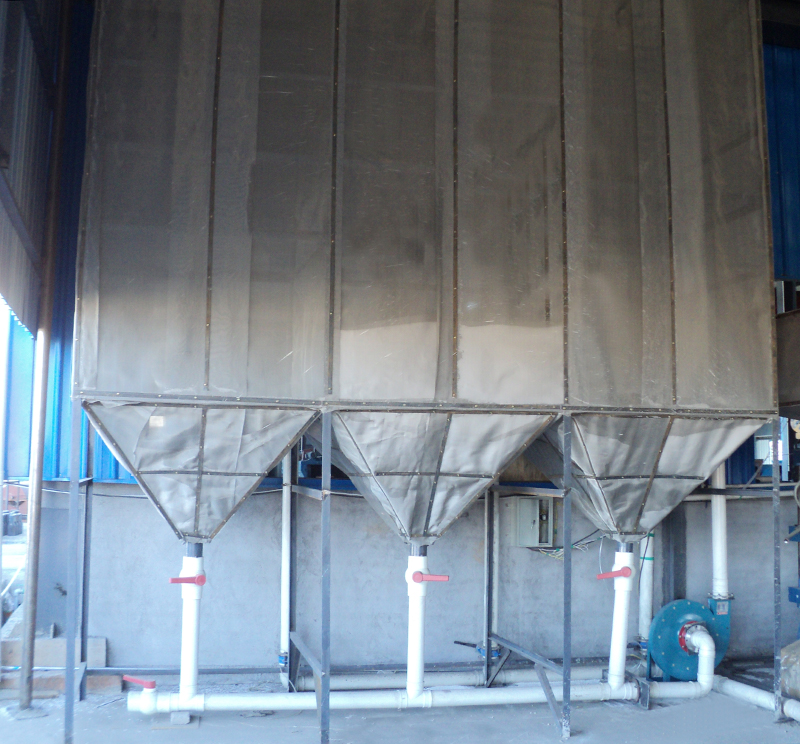
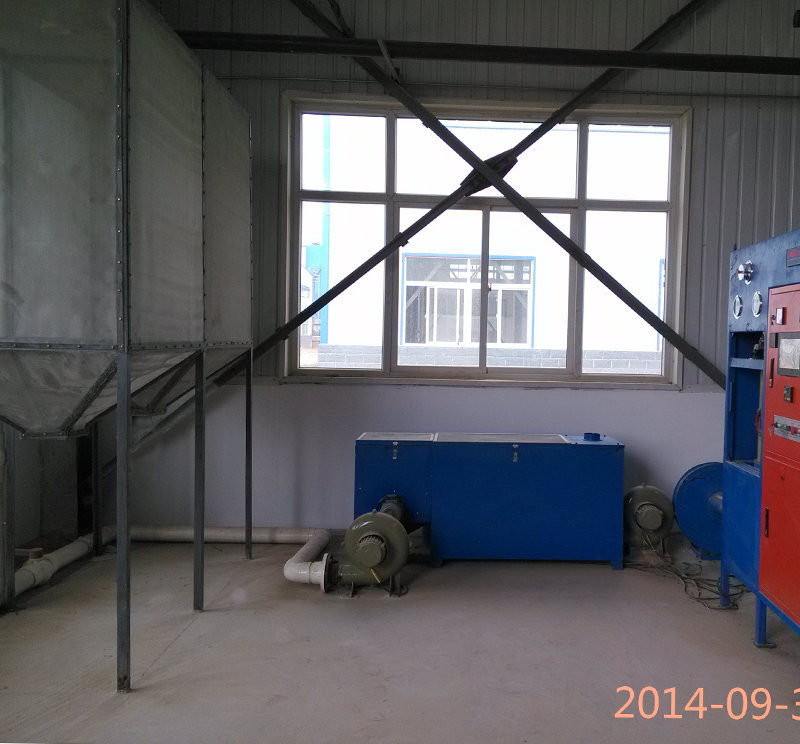

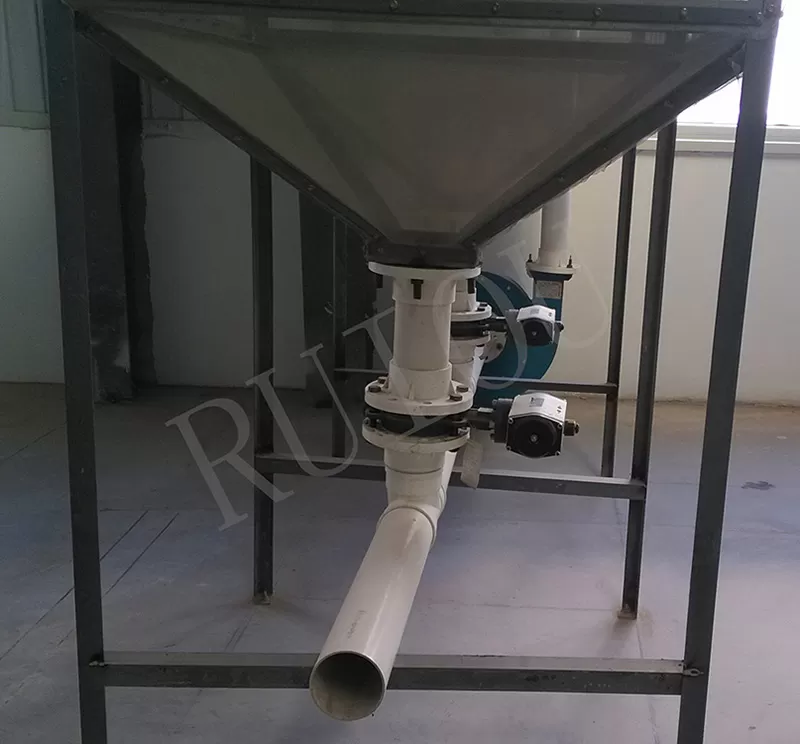
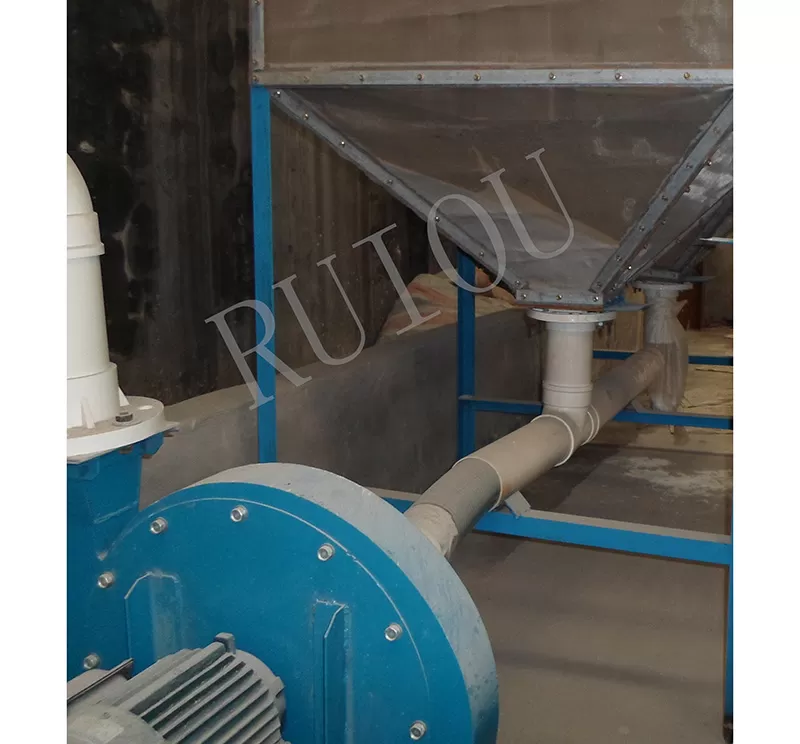
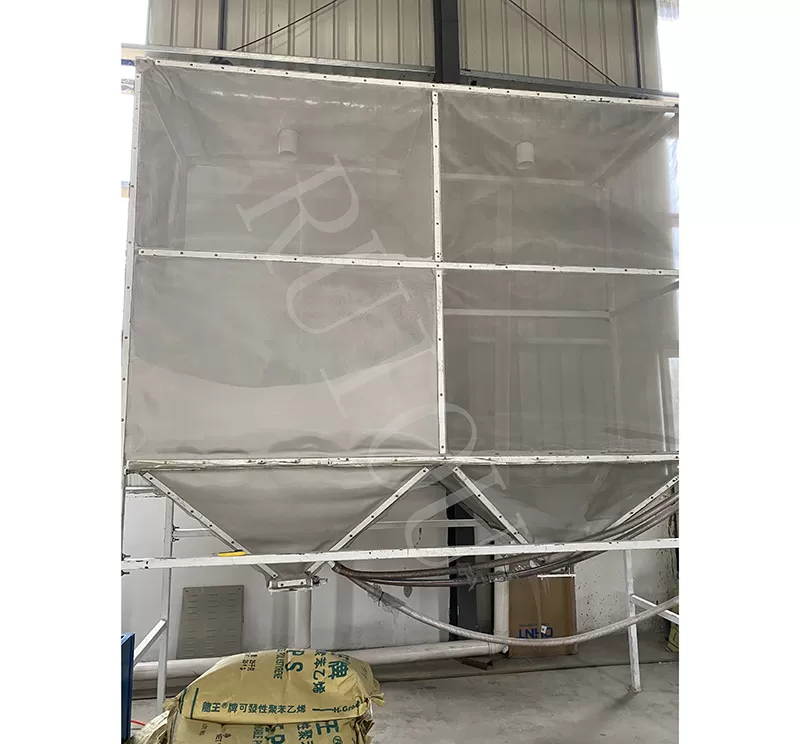
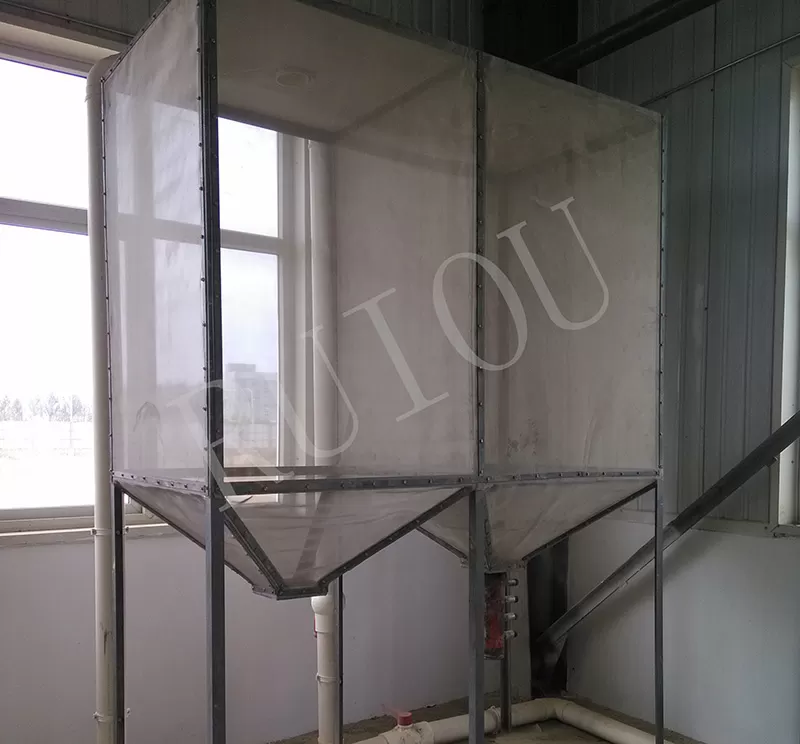
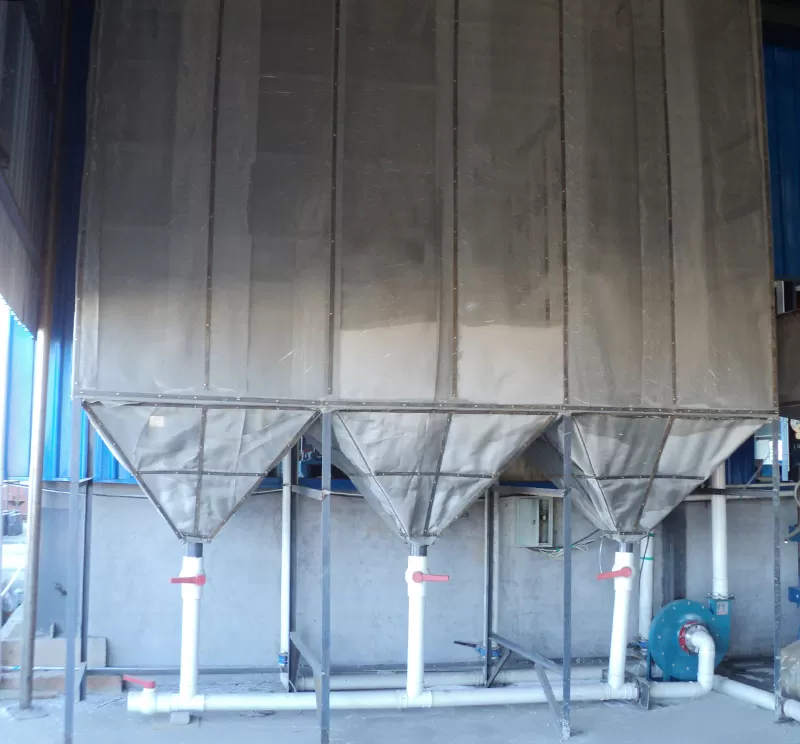
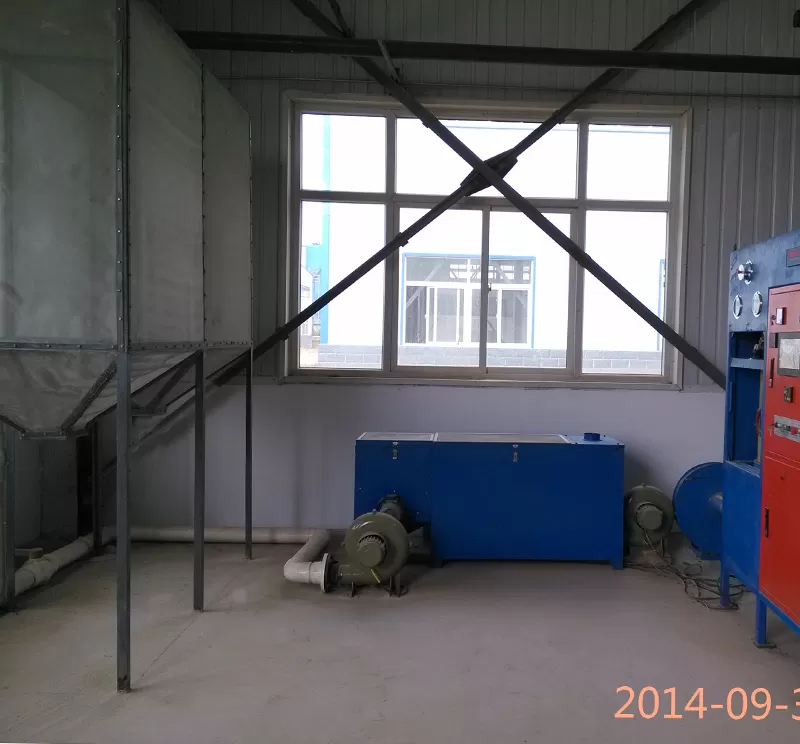
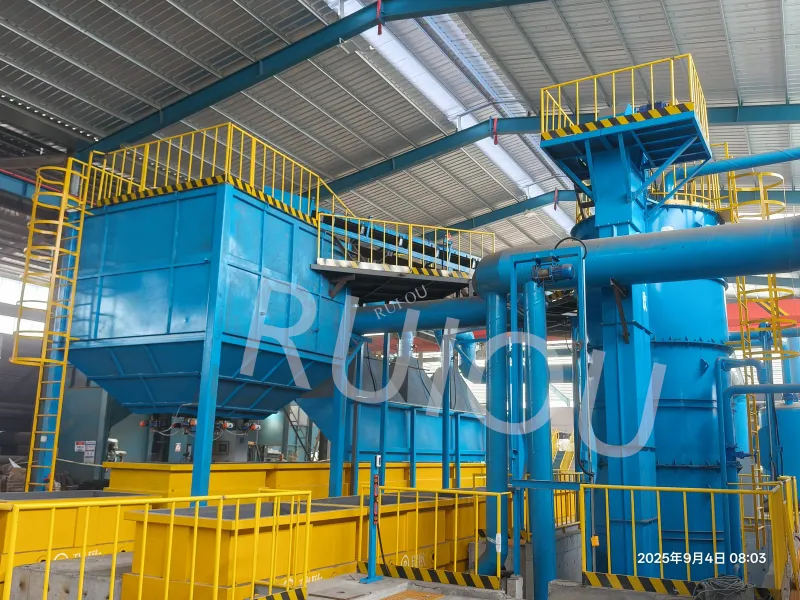
EPS silo as known as EPS aging silo. This device is used in LFC production line. Pre foamed EPS beads are placed in a dry and ventilated storage silo for a certain period of time, making inside and outside of beads pressure balanced, optimizing the elasticity and the expandability, and removing water on the bead surface.
These silos are available in a range of sizes and configurations to meet diverse production requirements. Customization options are also available to tailor the size of the EPS silo to the specific demands of the customer.
EPS aging silos are a vital part of the manufacturing process for expanded polystyrene (EPS). These specially designed storage facilities are used to store the raw EPS beads, which are the primary material for creating EPS foam products.They provide a ventilated storage and maturation stage for pre-expanded EPS, EPMMA, or STMMA beads before foam pattern molding. After pre-expansion, foam beads need time to release surface moisture, balance internal and external pressure, and recover stable elastic properties. An EPS Aging Silo creates the controlled buffer needed between bead expansion and molding, helping maintain a more stable material condition for foam pattern production.
Each system can be configured around your pre-expander capacity, required maturation time, molding-machine quantity, material type, factory layout, and automation requirement.
Skipping or shortcutting this step is one of the most common causes of foam pattern defects in lost foam casting. The EPS aging silo is not optional equipment — it is the quality checkpoint that determines whether your foam patterns will be dimensionally stable, properly fused, and surface-smooth enough to produce defect-free metal castings.
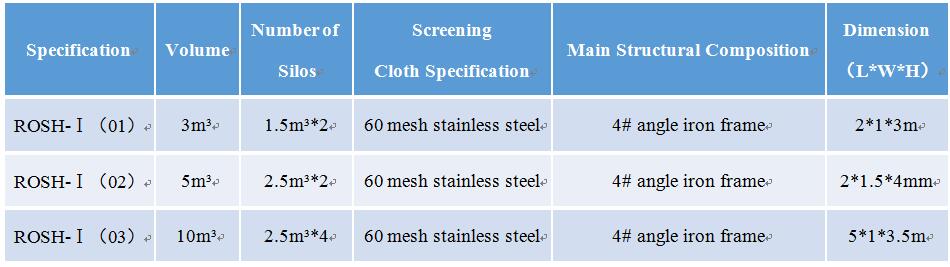
EPS aging silos are essential for maintaining high standards of quality and efficiency in the production of expanded polystyrene. Their unique features, including advanced material handling systems, temperature control, and organized storage, make them an ideal choice for manufacturing plants.
1. The overall structure has a scientific permeability, which is conducive to the curing of polymer materials (EPS, STMMA or EPMMA).
2. Foam beads can be efficiently input and output.
3. LIght structure, bolt connection, convenient to disassemble and install.
One of the key advantages of EPS aging silos is their advanced material handling system. This system minimizes the risk of contamination and damage during the loading and unloading of EPS beads, while also improving efficiency and ergonomics for workers. Additionally, the silos have a well-organized storage system with multiple racks, allowing for systematic arrangement of EPS beads based on size, grade, or color. This facilitates efficient inventory management, waste reduction, and easy access to materials.
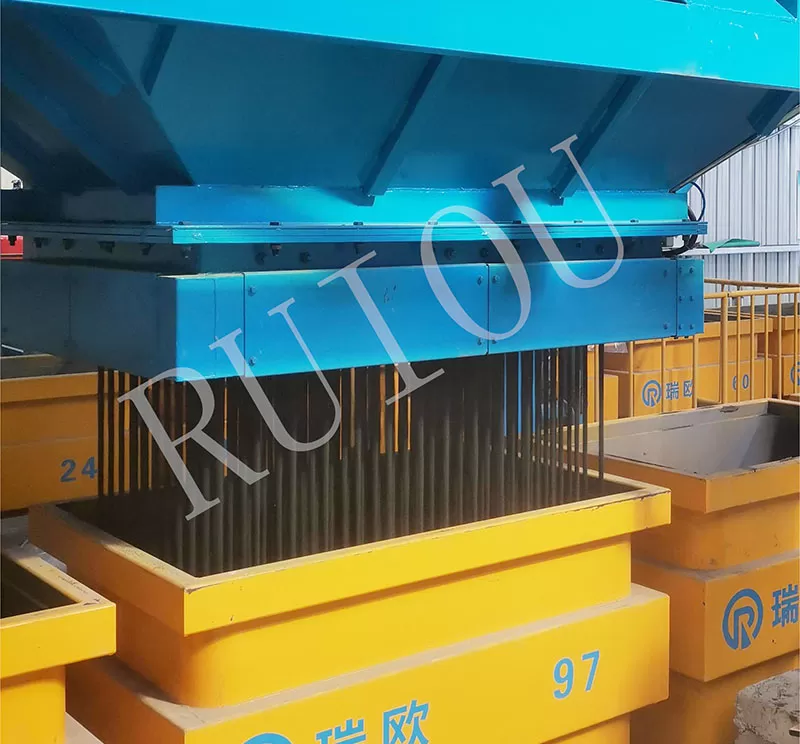
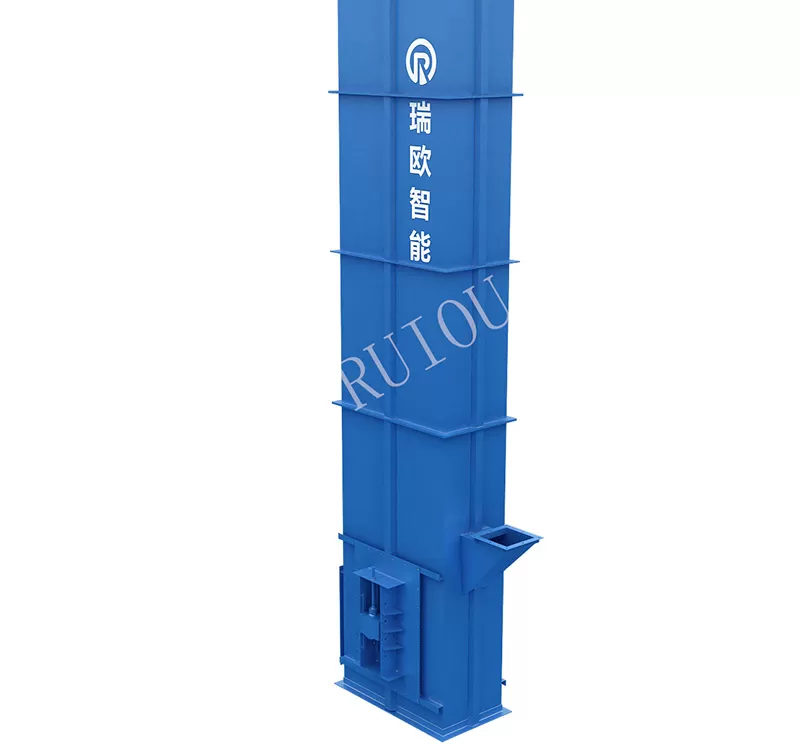
Ruiou's EPS aging silo is engineered as a lightweight, highly permeable storage system purpose-built for the maturation of polymer foam beads. Every structural element serves the ventilation and material-handling requirements of the maturation process
1. Main frame
2. Outer screen
3. Cone bucket
4. The outlet ( shape optional)
The EPS aging silo is the bridge between bead production and pattern molding:
| Stage | Function |
|---|---|
| Pre-Expander | Produces expanded EPS beads at target density |
| Fluidized Bed Dryer | Dries the beads, removing surface moisture |
| EPS Aging Silo (this product) | Ages and stabilizes the beads — balances internal pressure, restores elasticity |
| Molding Machine | Fuses matured beads into the final foam pattern |
Investing in a properly sized EPS aging silo ensures your molding machine operates at peak efficiency downstream, reducing scrap rates and saving costs on raw materials.
For customers with continuous or semi-continuous foam pattern production, RUIOU can provide an automated EPS Aging Silo configuration.
Available automated functions may include:
Automatic bead loading from the pre-expander
Upper-level and lower-level material detection
Automatic inlet and discharge control
PLC-based operation logic
Touchscreen interface
Adjustable discharge timing
Signal connection with pre-expander and molding machine
Automatic material return connection where required
Optional multi-silo switching for different material grades or density ranges
The exact automation level should be selected according to your production flow and existing control system.
To understand why a dedicated EPS aging silo is critical, it helps to understand what happens inside an EPS bead immediately after pre-expansion.
During steam pre-expansion, heat causes the blowing agent (pentane) inside each raw EPS bead to vaporize and expand, inflating the bead to its target density. When the steam cycle ends and the beads are discharged, the situation inside each bead cell is unstable:
Residual steam condenses inside the cells as they cool, creating internal negative pressure (partial vacuum)
The bead surface is moist from steam contact, making immediate molding impossible
The cells are mechanically stressed from rapid expansion — elasticity has not yet recovered
Internal and external pressure is unbalanced — the cell walls are under tensile stress
Our EPS aging silo provides a controlled environment where beads are held for a specific period — typically 6–24 hours depending on bead density and ambient conditions — allowing air to penetrate the cells, stabilize density, and eliminate residual stress. This is vital for high-precision lost foam casting.
Ruiou is a leader in quality, having passed ANAB, ISO9001, ISO14001, and GB/T28001 certifications, setting the standard for excellence in the industry.
LFC White Area Systems IntegrationRuiou supplies the complete White Area equipment family — steam pre-expander, EPS aging silo, foam molding machine, and CNC cutting machine — all designed to work together with matching conveying interfaces, compatible PLC architecture, and unified production line layout planning. Sourcing the EPS aging silo from the same supplier as your pre-expander and molding machine eliminates integration mismatch.
Customizable Capacity and ConfigurationThere is no single correct EPS aging silo size — capacity depends on your pre-expander batch volume, molding machine cycle time, material type, and the shift pattern of your production. Ruiou sizes and configures the EPS aging silo based on your actual production parameters, ensuring it provides adequate maturation buffer without unnecessary footprint.
Certified QualityRuiou holds ISO9001 quality management, ISO14001 environmental management, and GB/T28001 occupational health and safety certifications. All EPS aging silo units are manufactured to national standards and pass dimensional and structural quality verification before shipment.
Global Supply and OEMRuiou supplies EPS aging silos as standalone units and as part of complete LFC White Area equipment packages to foundries in Asia, the Middle East, Eastern Europe, and South America. OEM supply is available for project developers and EPC contractors building new LFC facilities.
RUIOU can supply the EPS Aging Silo as part of a coordinated Lost Foam Casting White Area system.
The silo can receive pre-expanded beads from a Fully Automatic EPS Pre-Expander Machine. The material transfer route can be designed according to your required conveying distance, silo location, and workshop layout.
For high-precision foam pattern molding, the silo can be connected to a High Pressure Impulse Material Feeding Device, which supports controlled bead feeding into the mold cavity.
Matured beads can be supplied to:
A matched system helps reduce interface problems between bead expansion, maturation, conveying, and molding.
Before installation, confirm the following conditions:
Available workshop height
Floor space and silo footprint
Material conveying route
Electrical supply and control cabinet location
Required ventilation arrangement
Access space for maintenance
Loading and unloading route for installation
Foundation or floor load requirement
Distance to pre-expander and molding machine
Local fire, static-control, and workplace safety requirements
Required inspection and documentation standards
The EPS Aging Silo should be installed in a dry, properly ventilated area. Final operating conditions should be determined according to the selected bead material, local environmental conditions, and the customer’s production process.
Q: How long should EPS beads age before molding?
A: Typically 6–24 hours, depending on bead density and ambient temperature/humidity. Higher-density beads used for precision patterns generally need the longer end of this range.
Q: What temperature should the aging environment be kept at?
A: Keep below 30°C. Excessive heat accelerates blowing agent loss from the beads, degrading their molding performance before they ever reach the molding machine.
Q: Can one EPS aging silo handle both EPS and STMMA/EPMMA beads?
A: Yes — the permeable structure and aging principle are the same across material types. Aging time may vary slightly by material.
Q: Is the EPS aging silo suitable for high-volume continuous production?
A: Yes. The automated version with PLC control and level sensors is designed to scale with continuous pre-expander output without becoming a bottleneck.
Q: Can the silo capacity be customized?
A: Yes — capacity, outlet configuration, and automation level are all sized to your pre-expander batch volume and molding machine cycle time.
Ruiou is a leader in quality, having passed ANAB, ISO9001, ISO14001, and GB/T28001 certifications. As a professional provider, Ruiou offers a full range of lost foam solutions, including equipment, molds, high-end castings, coatings, special sand, and comprehensive project design, R&D, and technology training. Contact us today for precision and excellence!





Copyright © Hebei Ruiou Intelligent Equipment Co., LTD. All Rights Reserved. | Sitemap | Powered by