


- Home
- Product
- About Us
- Lost Foam Casting Process
- Lost Foam Casting Video
- Success Case
- Contact Us


lost foam casting process depends heavily on stable, efficient, and accurate material handling. From foam pattern transfer and flask positioning to sand feeding, mold movement, pouring line logistics, and casting cooling transfer, every step affects output, safety, and consistency. Ruiou provides practical solutions for foundries that need to balance manual flexibility with automated efficiency. 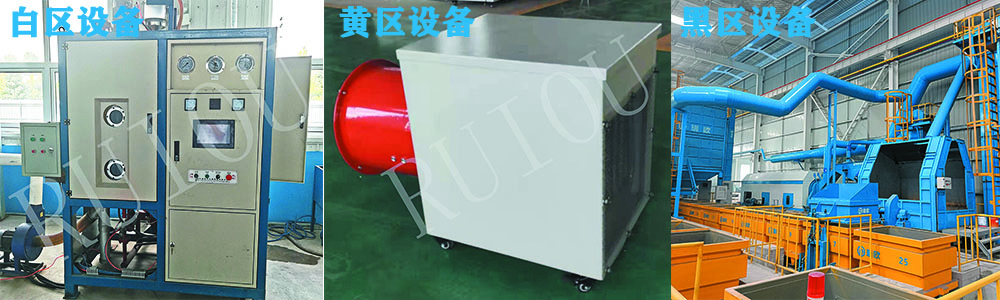
When users search for manual versus automated material handling in lost foam casting, they usually want clear decision-making content, not just theory. They want to know which option reduces labor, improves stability, fits their plant layout, and actually performs better in daily production. They also want a direct comparison of cost, maintenance, battery life if mobile equipment is involved, stability, cycle time, and suitability for different foundry sizes. The content below is organized around those real purchasing concerns.
Most foundries do not start with automation because it is fashionable. They start because manual handling causes repeated labor shortages, inconsistent operation, and bottlenecks during peak production. In lost foam casting, the material flow is continuous, so any delay in sand supply, mold movement, or pouring logistics immediately affects the whole line.
Typical user pain points include:
In lost foam casting process, material handling is not an auxiliary task. It directly influences mold integrity, coating protection, sand filling quality, and pouring readiness. Users want a solution that helps them increase throughput without increasing defects such as mold damage, sand disturbance, or handling-induced delay.
Manual material handling remains common in small and medium foundries because it is simple, low in initial investment, and easy to adapt. For a plant with frequent product changes, limited space, or low automation maturity, manual operation can be the fastest way to keep the lost foam casting process moving.
Manual handling is often used for pattern box movement, flask placement, sand feeding support, inspection transfer, and pouring area logistics. In many plants, workers use carts, forklifts, hoists, or simple conveyor handoff points to keep the line moving.
Manual handling is cost-effective, but it creates variability. The biggest issue is not only speed, but consistency. In lost foam casting process, even a small delay in mold preparation can lead to bottlenecks.
Automated material handling reduces dependence on manual movement and creates a more predictable process rhythm. In lost foam casting, that means more stable mold transfer, more consistent sand supply, and smoother integration between pattern preparation, molding, and pouring areas.
Buyers often compare AGVs, motorized carts, conveyor systems, lifting tables, automatic sand handling systems, and integrated transfer equipment. The right choice depends on payload, route complexity, duty cycle, and plant space.
Automation improves long-term efficiency, but it requires a clearer operational plan and higher initial investment. Users want to know whether the system will keep working reliably under foundry conditions such as dust, heat, vibration, and heavy load.
The following comparison reflects the actual concerns most buyers raise during evaluation. This includes cost, labor demand, stability, battery life where applicable, maintenance burden, and applicability in the lost foam casting process.
| Parameter | Manual Handling | Automated Handling |
|---|---|---|
| Initial Investment | Low | Medium to high |
| Labor Requirement | High | Low |
| Stability | Depends on workers | High and repeatable |
| Throughput | Moderate to low | High |
| Flexibility | Very high | High to medium |
| Maintenance Complexity | Low | Medium |
| Safety | Lower | Higher |
| Battery Life | Not applicable | Depends on model and duty cycle; usually 6 to 10 hours in mobile systems |
| Best Fit | Small-batch, changing products, low budget | High-volume, stable routing, labor-saving needs |
Users should not choose based on a single parameter. A foundry with low volume may not recover automation cost quickly. A factory with repeated labor shortages may lose more money by staying manual than by investing in automation. The best decision is based on production rhythm, layout, and labor cost over time.
In lost foam casting process, equipment must survive heat, dust, sand, and repeated starts and stops. Buyers want to know whether the system stays stable during real shifts, not just during demos. Stability means fewer interruptions, fewer operator corrections, and less damage during transfer.
If mobile automated equipment is used, battery performance becomes a major issue. Buyers want to know whether one shift can be completed without interruption and how long charging takes. In most practical foundry applications, battery life must match the production rhythm, otherwise the system creates a new bottleneck.
Manual handling has the advantage of being familiar, but it also depends on operator skill. Automation reduces physical labor, but it requires standard operating procedures. Buyers want equipment that is easy to train, easy to monitor, and easy to hand over between shifts.
Manual handling is best when the foundry needs speed of deployment, low cost, and frequent flexibility. It is often the safer choice for small plants or for operations with uncertain future volume.
Automated handling is the better answer when the plant wants to improve capacity, reduce labor dependence, and stabilize the lost foam casting process. It is particularly attractive where repetitive transport tasks consume too much manpower.
If the current pain point is budget, start manual. If the current pain point is labor, output, and safety, start automated. If the plant is mid-sized, a hybrid approach often works best: manual support for flexible tasks and automation for high-frequency movement.
Manual handling is still a reasonable choice for buyers who need low-cost solutions and are not yet ready to redesign the whole foundry layout. It is especially common in operations with lower daily output or more diverse product types.
Automated handling fits users who are serious about improving efficiency in lost foam casting process and want a measurable reduction in labor cost. The stronger the production repetition, the more valuable automation becomes.
Many buyers do not need full automation immediately. A hybrid solution can automate the most repetitive and physically demanding tasks while keeping manual handling for flexible or low-frequency steps. This reduces risk and improves ROI.
Ruiou focuses on matching material handling equipment to the actual lost foam casting process instead of selling a one-size-fits-all system. That means evaluating route length, payload, cycle time, floor conditions, and plant bottlenecks before recommending manual, automated, or hybrid handling.
Before purchasing, users should request operational data rather than only product brochures. The best suppliers will explain not just the nominal specs, but the actual performance in foundry conditions.
Manual handling is better when cost control and flexibility are the top priorities. Automated handling is better when stability, labor reduction, and throughput matter more. In lost foam casting process, the real winner is the option that keeps the line moving smoothly with the least disruption.
Choose manual handling if you need a low-cost, flexible starting point. Choose automated handling if you need consistent long-term performance and lower labor dependence. For many plants, the smartest path is to start with the most painful bottleneck and let automation grow step by step.
Ruiou supports foundries that want to upgrade material handling without losing control of cost, layout, or process stability. If your lost foam casting process is being held back by transport delays, labor intensity, or inconsistent material flow, the right handling strategy can make the whole line more efficient.




Copyright © Hebei Ruiou Intelligent Equipment Co., LTD. All Rights Reserved. | Sitemap | Powered by