


- Home
- Product
- About Us
- Lost Foam Casting Process
- Lost Foam Casting Video
- Success Case
- Contact Us




Our company mainly produces high end and high quality castings and takes the lead in passing TS16949 automobile industry quality management system certificate in the same industry. Ruiou workshop masters and adopts high strength, high elongation, low temperature resistance material and alloy cast steel material to produce traction seat, engine cylinder block, cylinder cover, bent axle, flywheel housing, engineering machinery supporting seat, arm-beam, reducer housing and so on by many years of research, development and experiment. They are widely used in foreign engineering machinery, automobiles, parts, aviation, high speed rail and electricity generation equipment by wind power.
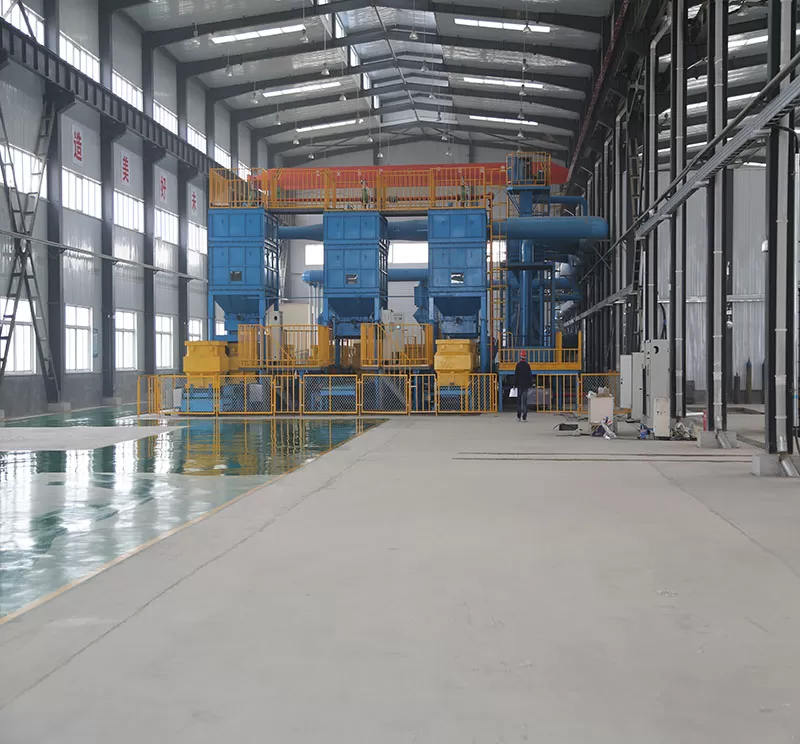
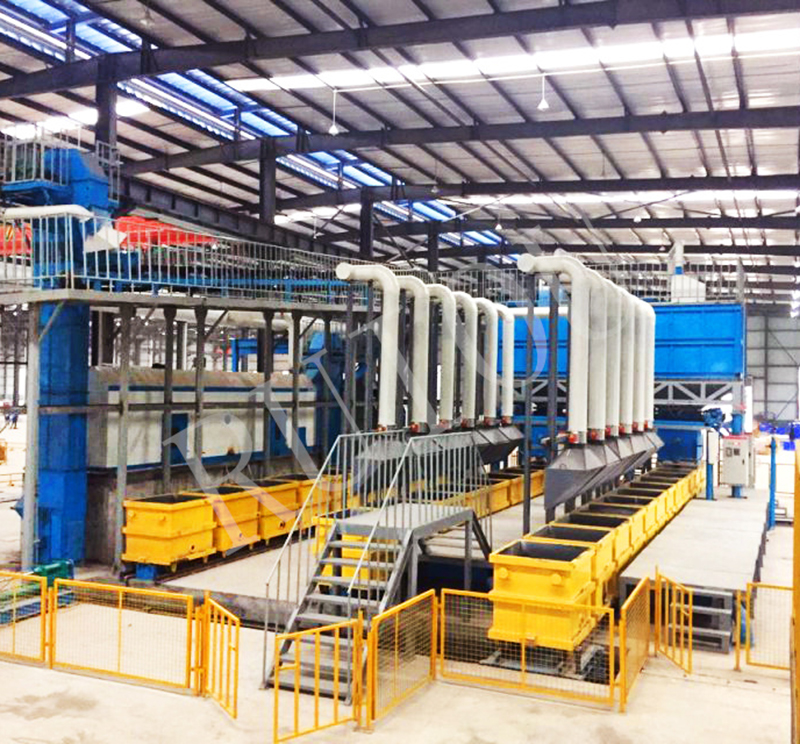
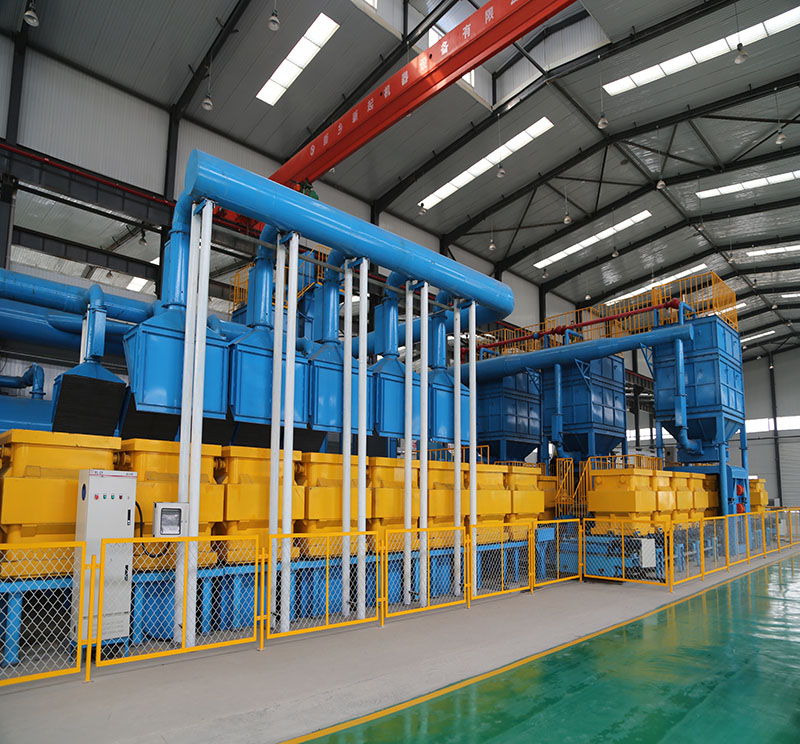
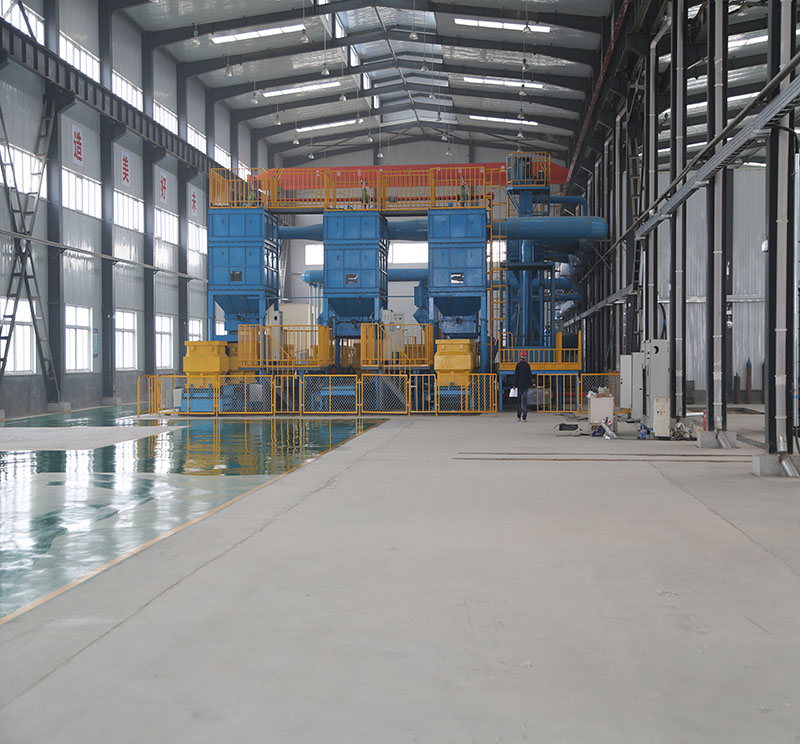
A complete Lost Foam Casting Production Line takes a foam pattern all the way to a finished metal casting — through pattern making, coating, sand molding, pouring and shakeout. If you're building a new foundry or replacing worn-out sand casting equipment, this line delivers near-net-shape castings with fewer parting-line defects and less downstream machining, because the process eliminates the core-making and draft-angle requirements that traditional sand casting depends on.
For more than 20 years we have focused exclusively on lost foam casting equipment and technology, operating what is currently one of the most complete lost foam (EPC) industry bases in China — covering equipment manufacturing, mould making, coating production, casting R&D and technician training on a single 90-plus-acre site. Our equipment and castings have been exported to more than 80 countries, including Germany, Italy, France, Malaysia, Egypt, the UAE and other Middle East markets. We were the first in the industry to pass the TS16949 automotive quality management certification, and we hold ISO 9001, ISO 14001 and GB/T28001 occupational health and safety certification, along with 40 patents from our in-house R&D center.
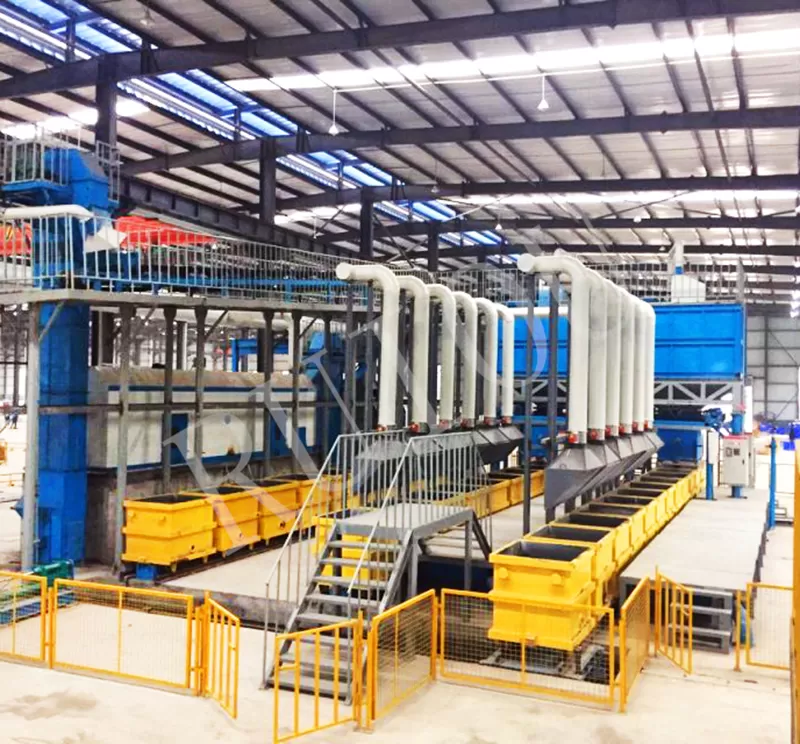
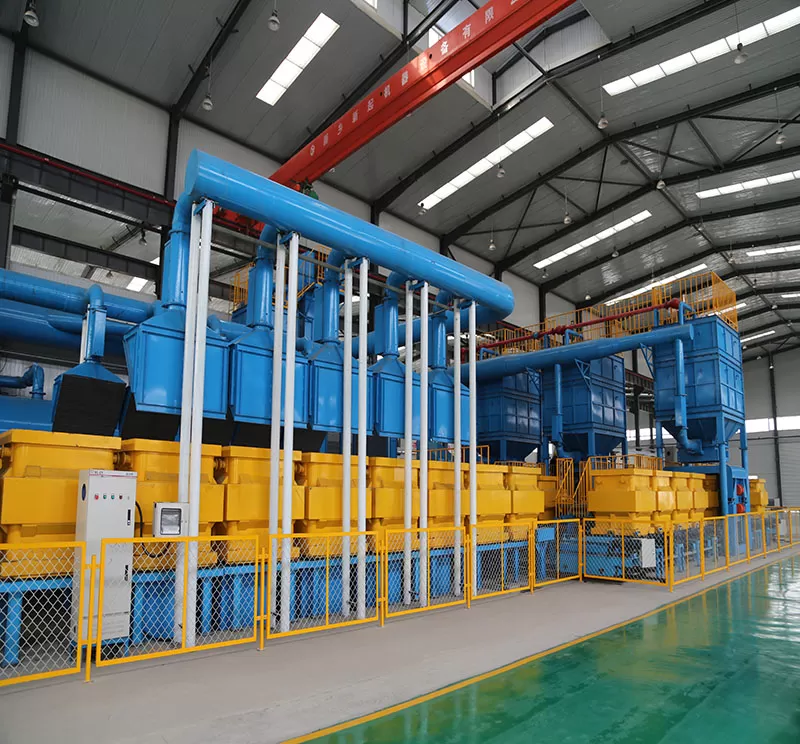
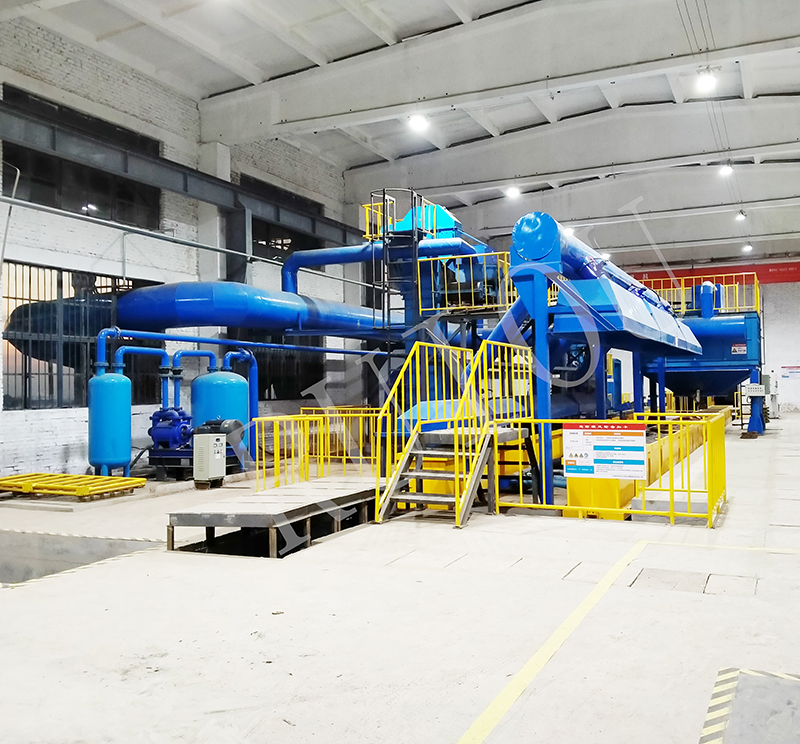
A lost foam casting production line is built around three process areas — the White Area, Yellow Area and Black Area — plus the mould and coating systems that support them. We design, manufacture and supply equipment for every stage, so you're sourcing one integrated production line instead of piecing it together from multiple vendors.
1. White Area — Material Preparation & Pattern Making
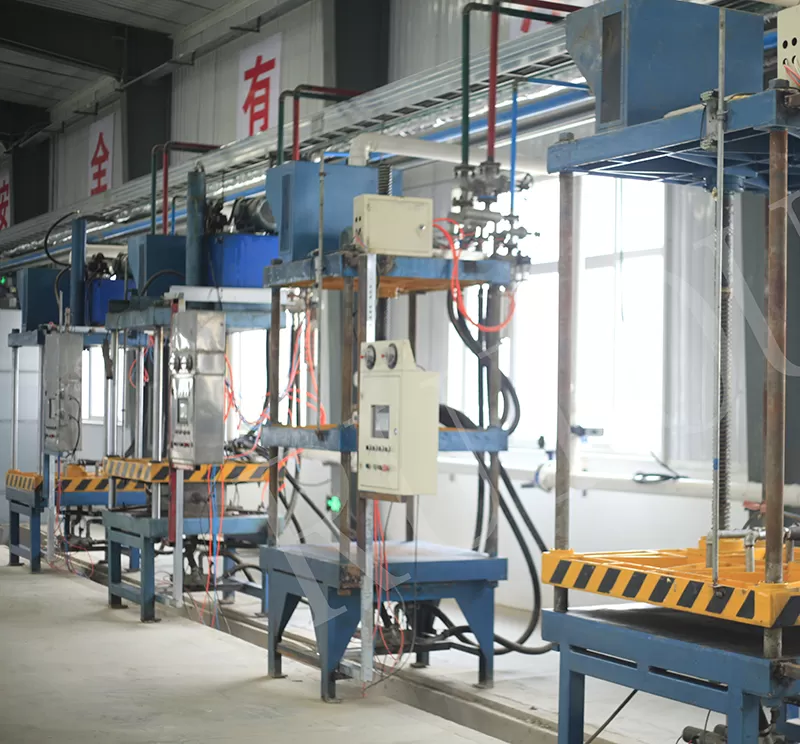
Raw EPS beads are pre-expanded, then formed into foam patterns. Our White Area Equipment line includes the Steam Full Automatic EPS Pre-Expander (closed constant-pressure foaming, automatic weighing and hot-air drying, built to save energy versus continuous pre-expanders), the Hydraulic Molding Machine (computer-controlled, with a mould open/close cycle several times faster than worm-gear screw-drive systems), and CNC pattern cutting equipment for complex geometries.
2. Yellow Area — Pattern Assembly & Coating Drying
Pre-expanded patterns are bonded into complete pattern clusters, dipped or sprayed with refractory coating, then dried before moving to the Black Area. Our Yellow Area Equipment line includes dedicated Drying Area equipment, available in three heating configurations — drying kiln, electric heating, or heat-collection/steam heating — so the setup matches your existing utility infrastructure rather than forcing you onto one heat source.
3. Coating — The Barrier Between Metal and Sand
Assembled clusters are dipped or sprayed with refractory coating, which forms the barrier layer that controls surface finish and gas permeability during pouring. Our Lost Foam Coating Plant supplies refractory LFC coatings formulated for iron, steel, aluminum, copper and manganese steel castings, with on-site formula tuning available to reduce gas holes, sand burn-on and metal penetration defects.
4. Black Area — Mold Preparation, Pouring & Shakeout
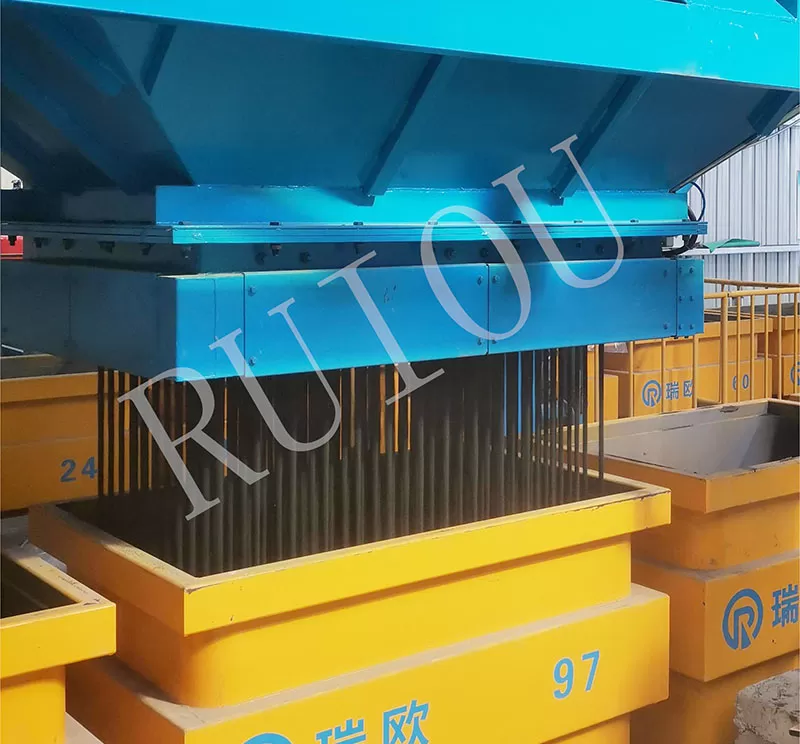
Coated clusters are set in flasks, surrounded and compacted with unbonded sand, then poured. The heat of the molten metal vaporizes the foam pattern and fills the cavity it leaves behind; after cooling, castings are shaken out and separated from the sand. See our Black Area Equipment.
5. Mould & Sand Support Systems
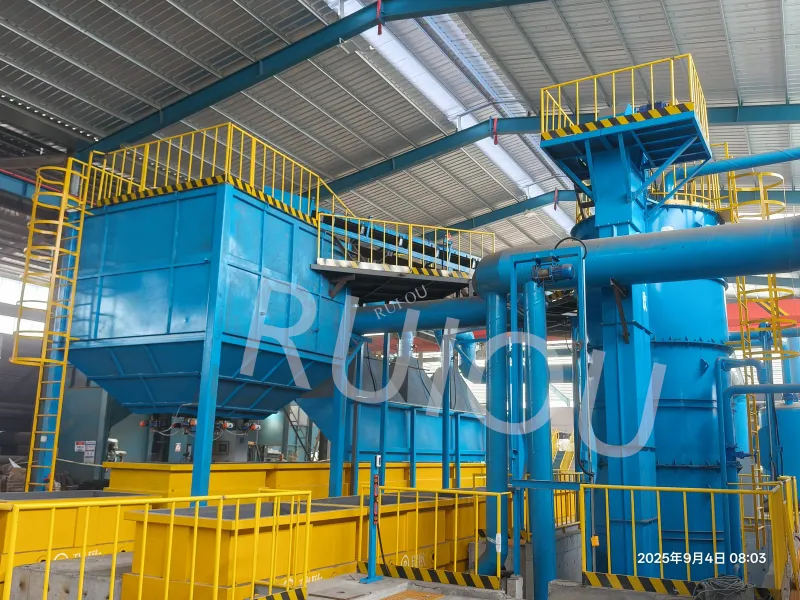
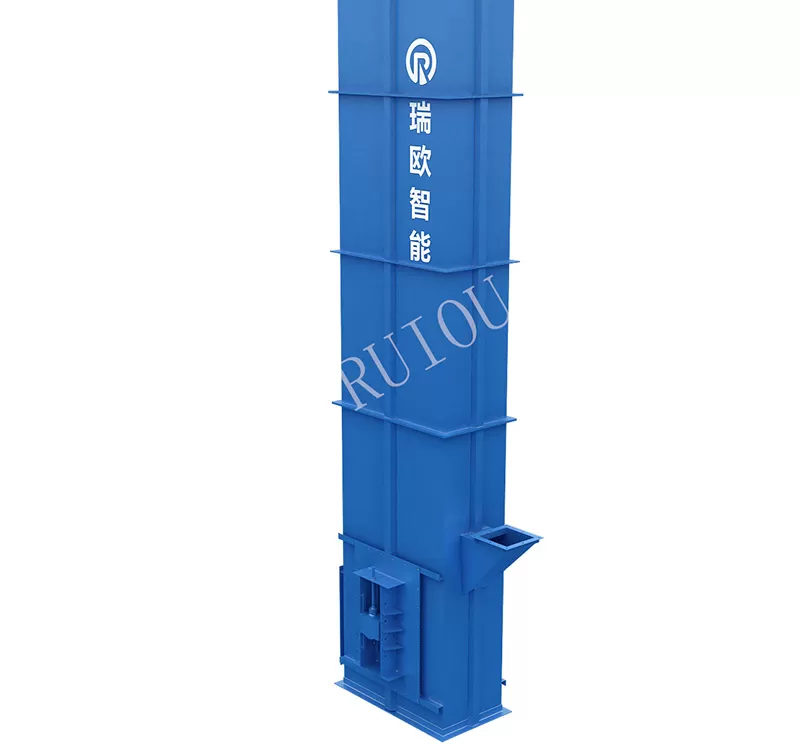
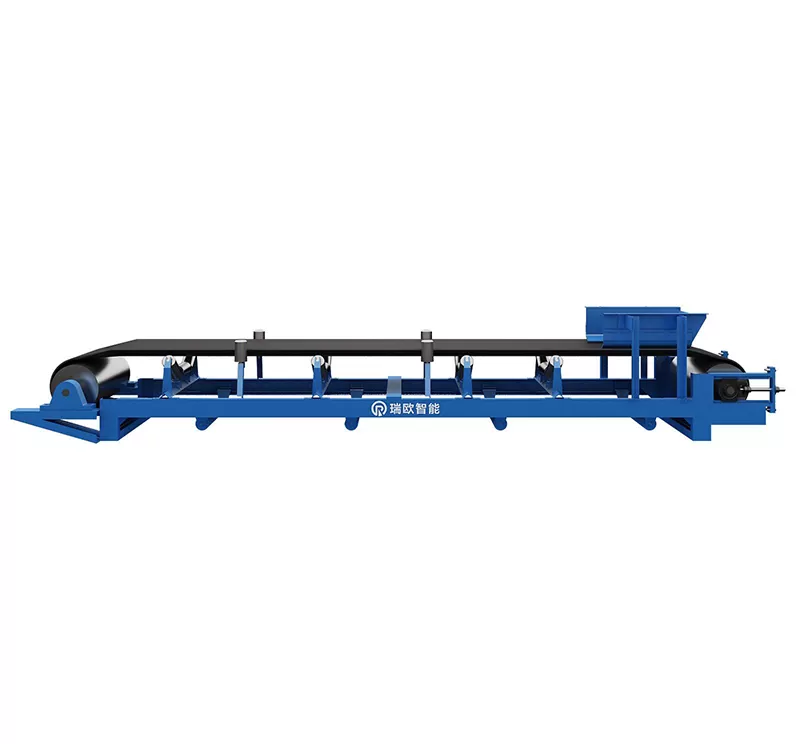
Our Lost Foam Mould Plant supplies lightweight, high-toughness moulds that resist deformation and extend service life — reducing EPS material, water, electricity and steam consumption per cycle — and our Sand Processing Equipment line (including Sand Storage Hoppers, Magnetic Separators, Coolers, Screening Conveyors, Chain Elevators and Dust Removal Machines) keeps unbonded sand clean, cool and correctly graded for reuse. Since lost foam sand is fully recyclable, a properly sized reclamation system typically cuts white-mold material cost by at least half over time.
Most buyers assembling a lost foam casting production line end up combining equipment from several vendors — a pattern-making supplier, a coating chemical supplier, a sand-handling integrator — and then discover that interface problems between subsystems cost more in commissioning delays than the equipment itself. Because we manufacture the White, Yellow and Black Area equipment, the mould systems and the coating materials ourselves — and because we also run our own lost foam foundry producing castings for engineering machinery, automotive, aviation, high-speed rail and wind power customers — we size and calibrate every subsystem against how it will actually behave on your specific casting mix, not just against a generic catalog spec.
Before quoting equipment, we work through your actual production plan with you — not a generic package. That conversation covers your target annual output (typically foundries fall into 1,000T, 3,000T, 5,000T or 10,000T/year tiers), shift pattern (one or three shifts, 250 or 300 working days a year), melting method (cupola or electric furnace, and hourly molten iron output), and your casting drawings, so we can size the flasks, vibrating table and pouring process correctly.
That data drives two configuration decisions buyers ask about most:
Below roughly 2,000 tons/year, investing in full White Area pattern-making equipment plus the staffing to run it usually isn't cost-effective — we typically recommend outsourcing white-mold (pattern) production and investing your capital in the Black Area and coating systems instead.
At 3,000 tons/year and above, in-house sand processing and dust removal equipment pays for itself: at that volume you're moving roughly 70-100 tons of sand a day, and because lost foam sand is fully recyclable, a properly sized reclamation system cuts white-mold material cost by at least half.
From there, our mechanical and casting engineers calculate hourly casting output, pieces per flask, pours per hour and molten metal flow — which is what determines your vacuum system sizing and sand throughput equipment — and hand you a written production-line specification before any equipment is built.

Before committing to a supplier, international buyers typically check:
Is the manufacturer certified, and independently audited? We were the first in our industry to pass TS16949, and hold ISO 9001, ISO 14001 and GB/T28001 certification.
Does the supplier only sell equipment, or do they actually run a foundry on it? We do both — our own lost foam casting operation runs on the same equipment we sell.
What's the acceptance standard before a line is signed off? Every line we install must run a full automatic cycle for 30 minutes with no fault before commissioning is considered complete — not just a single test pour.
What quality level does the supplier actually commit to? Our standard commitment is that castings produced meet Grade 3 of the applicable national casting quality standard in 90% of output.
What happens after installation? Any equipment issue after handover gets a response within 24 hours, and once your line is running, we check in with you at least once a week to review production and catch problems early — this isn't a one-time installation and walk-away.
Export experience. Our equipment and castings ship to more than 80 countries, including Germany, Italy, France, Malaysia, Egypt, the UAE and other Middle East markets — we're familiar with the documentation and certification expectations of those markets.
90-plus-acre integrated lost foam casting industry base — equipment manufacturing, mould production, coating production and R&D under one roof, not outsourced.
200+ staff, with mechanical designers and casting technologists making up more than half the workforce, and 60% holding a college degree.
40 patents from in-house R&D, developed in partnership with several Chinese technical universities on lost foam casting subjects.
First in the industry to pass TS16949; also ISO 9001, ISO 14001 and GB/T28001 certified.
A line design process built on your actual output data, not a fixed package — annual tonnage, shift pattern and melting capacity all feed into the equipment specification before anything is built.
24-hour issue response after handover, plus at least weekly follow-up once your line is in production.
20+ years focused exclusively on lost foam casting — not a general foundry-equipment trading company that also happens to sell lost foam lines.
Tell us your target annual tonnage, alloy types, shift pattern and melting method, and our engineering team will put together a written White/Yellow/Black Area equipment specification, mould plan and coating formulation for your foundry — the same process we use internally before any equipment is built.




Copyright © Hebei Ruiou Intelligent Equipment Co., LTD. All Rights Reserved. | Sitemap | Powered by